
Horse Brief
Horse news
Horse and barn news in plain English: what happened, why it matters, and what you can do about it.

Researchers discover protein that could improve strangles testing in horses
Researchers at Texas A&M's College of Veterinary Medicine and Biomedical Sciences have identified a protein, called P92, that may help detect antibodies against the bacterium that causes strangles in horses. Their findings were published in the Journal of the American Veterinary Medical Association. The work targets the limits of the blood test most often used in the United States.
Why it matters: Accurate testing helps owners and veterinarians know whether a horse has been exposed, which guides isolation, quarantine and decisions about travel or breeding.
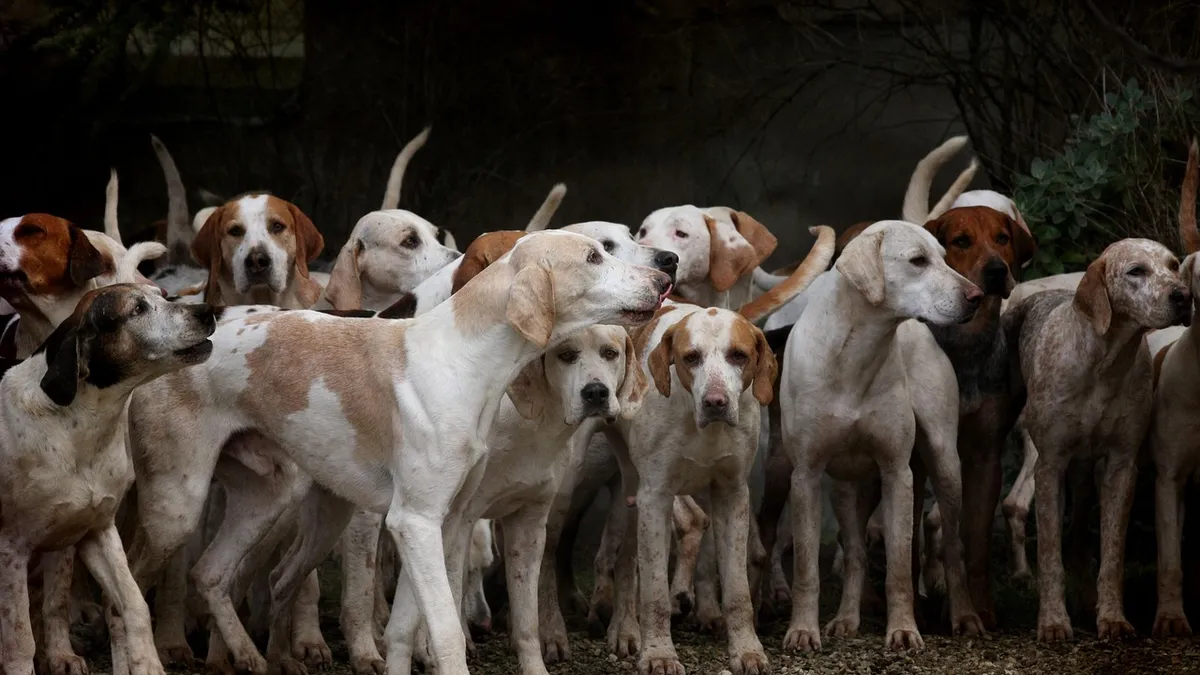
Keeping one eye open: Veterinarian applies unique treatment to preserve dog's eyesight
A nine-year-old bluetick beagle named Ziggy lost one eye to an autoimmune disease at Virginia Tech's Veterinary Teaching Hospital, and his remaining eye showed a partially detached retina. A steroid injection near the eye restored his vision within about a week to 10 days, and the treatment is being used to manage his condition.

Midway University immerses equine students in hands-on horse farm learning
Midway University, in Midway, Kentucky, is teaching equine students through hands-on work at its 200-acre working horse farm, where more than 30 horses of different breeds are cared for. First-year students are assigned to one of three barns from their first day on campus. The university's roughly 160 equine students can choose from management, rehabilitation, business and sales, or pre-vet tracks.
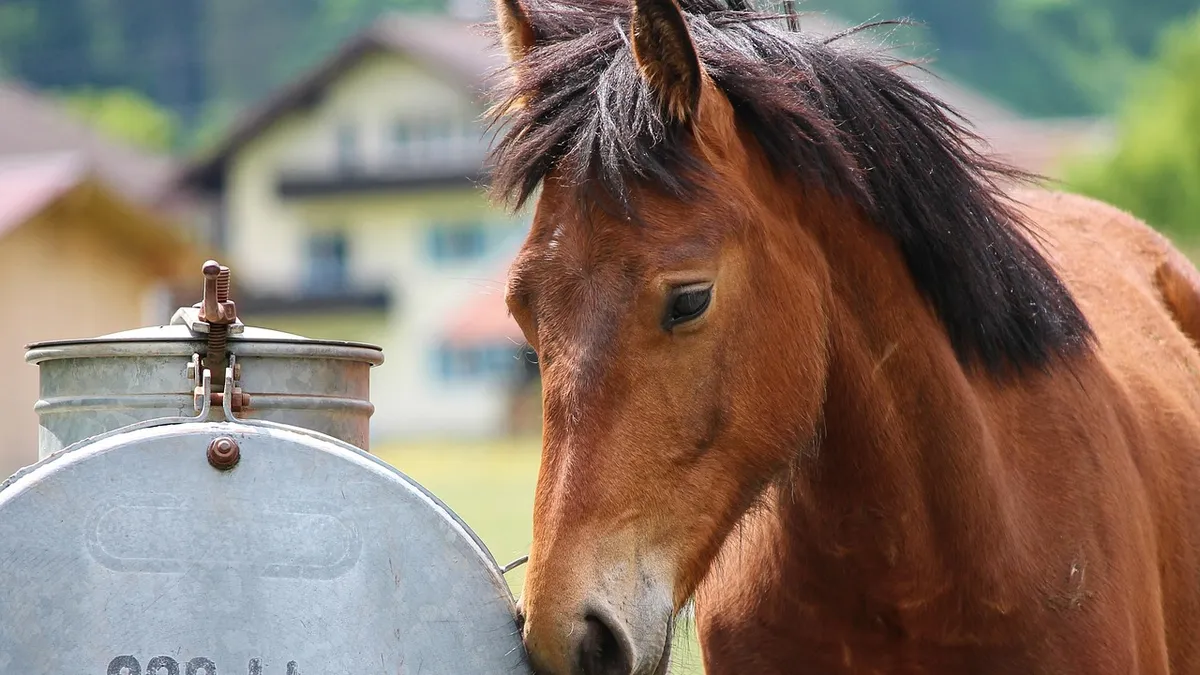
Over 60% of Connecticut horses exposed to Leptospira bacteria, study finds
A study published in BMC Veterinary Research tested nearly 400 horse samples from Connecticut for Leptospira exposure, using samples submitted by owners for other diseases. About 61.5% had antigens linked to at least one strain of the bacteria, with the most common serogroups being Djasiman, Grippotyphosa, Australis, Pomona and Icterohaemorrhagiae.
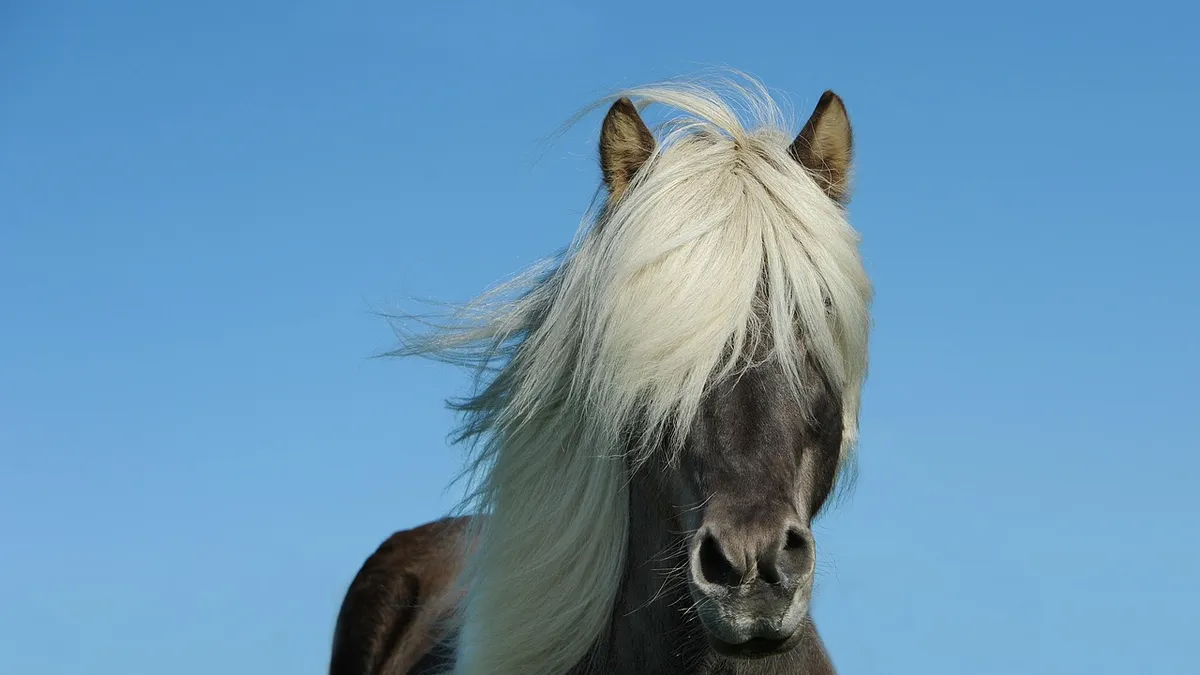
Scientists finally solve the mystery of the horse whinny
Researchers at the University of Copenhagen report in Current Biology that a horse's whinny combines two sounds at once: a low tone made by vibrating the vocal folds and a high tone made by a whistle inside the larynx. The team confirmed the whistle using horse larynges removed after death and airflow tests with helium.

Horses 'mane' inspiration for new generation of social robots
Researchers at the University of Bristol, presenting at the CHI '25 conference in Yokohama, argue that social robots used in therapy should act as active partners rather than obedient companions. Their model draws on equine-assisted interventions, where horses respond to a person's emotional state. The study notes that these horse-based therapies are costly and hard to access.

How a small number of mutations can fuel outbreaks of western equine encephalitis virus
Researchers led by Jonathan Abraham at Harvard Medical School report how small mutations in western equine encephalitis virus change its ability to infect humans and horses. The study, published in Cell on April 4, compares strains isolated over the past century. The virus caused a major outbreak in South America in 2023, involving thousands of horses and over a hundred confirmed human cases.
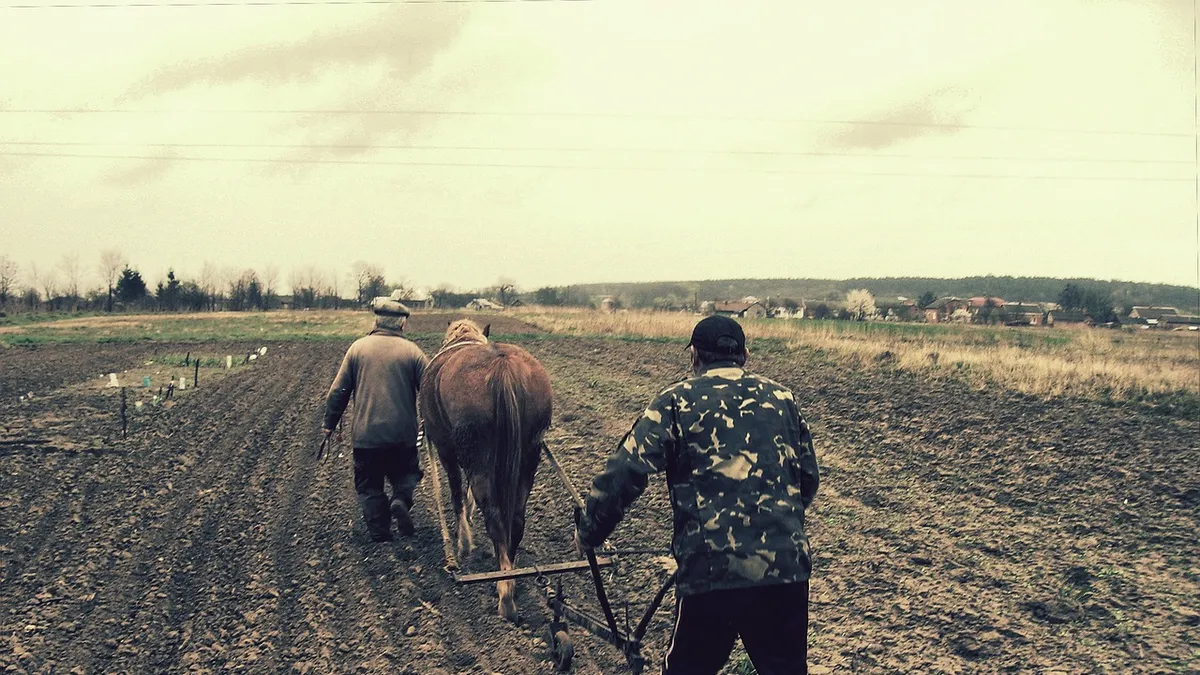
Owners' belief in horse emotion is linked to healthier animals, new study shows
A study by the charity Brooke and the University of Portsmouth found that working horse owners who believe their horses have emotions tend to keep healthier animals with better body condition. The research involved 299 owners and their horses in towns and villages in the Senegalese regions of Diourbel, Louga and Thiès, and was published in PLOS ONE.