
Horse Brief
Horse news
Horse and barn news in plain English: what happened, why it matters, and what you can do about it.
Aaron Ford transition, wild horse sales and tribal permitting concerns
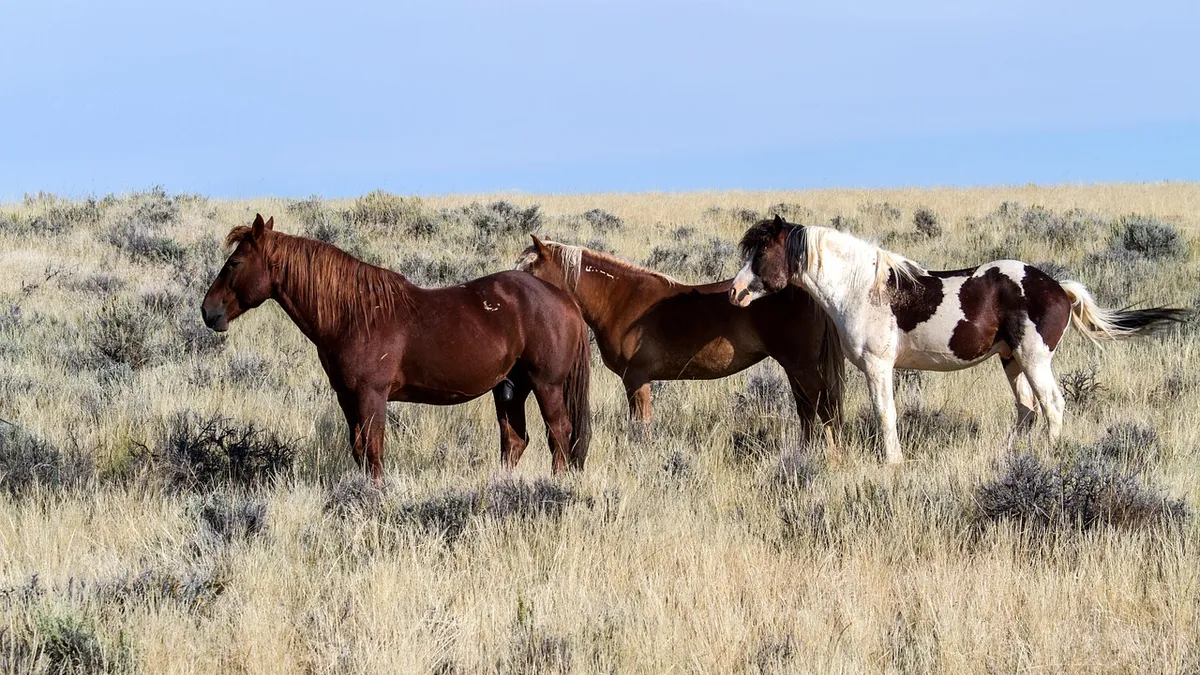
Nevada Rep. Dina Titus has signed a letter with four other members of Congress urging the BLM to immediately suspend wild horse sales. The call follows reporting that cheaply sold horses and burros often ended up in so-called kill pens. Advocacy groups count five BLM adoption events scheduled through year's end, representing more than 400 animals.
Why it matters: Owners who buy or consider buying a horse need to know how unscreened sales can end in the slaughter trade, and what safeguards exist.
Barr, Knierieme Earn Veterinary Scholarships
Two veterinary students, Jacee Barr of Texas Tech University School of Veterinary Medicine and Philip Knierieme of Oklahoma State University College of Veterinary Medicine, will each receive $5,000 from The Foundation for the Horse. The awards will be presented at the 72nd Annual AAEP convention on Dec. 8 in Las Vegas, part of 30 scholarships totaling $625,000 in 2026.
Researchers discover protein that could improve strangles testing in horses
Researchers at Texas A&M's College of Veterinary Medicine and Biomedical Sciences have identified a protein, called P92, that may help detect antibodies against the bacterium that causes strangles in horses. Their findings were published in the Journal of the American Veterinary Medical Association. The work targets the limits of the blood test most often used in the United States.
If you're starting out as a fractional horse owner, you should carefully choose your club
A personal column from the author of a fractional horse ownership blog, offering advice to people about to join a fractional ownership club. The piece urges readers to examine a club carefully, compare options, and avoid deciding on impulse, and it lists a few questions to ask about budget and expectations.
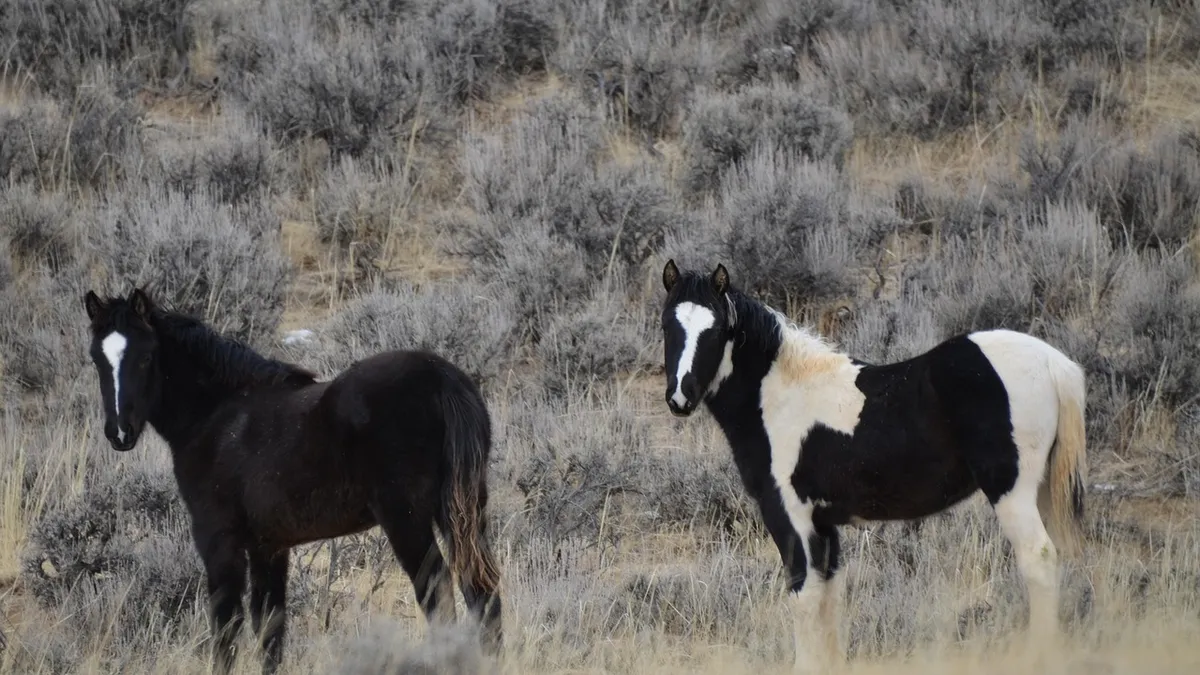
Trump Admin Killing of ‘Blind’ Foal Sparks Petition Over Wild Horse Culling
The Bureau of Land Management euthanized three young cremello wild horses, including a nursing foal named Saffron, during its October 2026 Red Desert Complex roundup in Wyoming, which planned to gather about 1,035 horses. The agency says the horses were blind and that coat color played no role, while an Oregon sanctuary founder disputes the blindness finding and a petition has drawn more than 20,000 signatures.
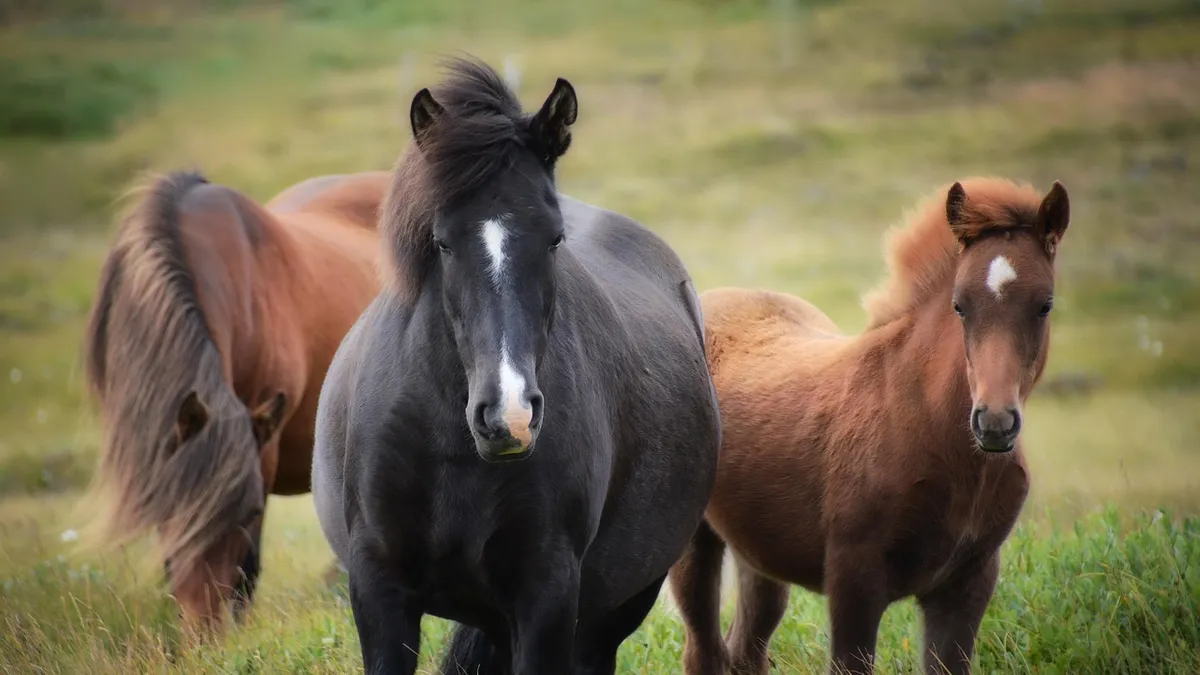
CVMP adopts a positive opinion for SCOVELLA®, the first therapy for hyperinsulinaemia in horses with Equine Metabolic Syndrome
Boehringer Ingelheim announced that the European Medicines Agency's CVMP has adopted a positive opinion recommending marketing authorization in the EU for SCOVELLA (velagliflozin oral solution), a treatment for hyperinsulinaemia in horses with Equine Metabolic Syndrome. The drug was already approved and introduced in Great Britain earlier this year, and European Commission approval is still pending.
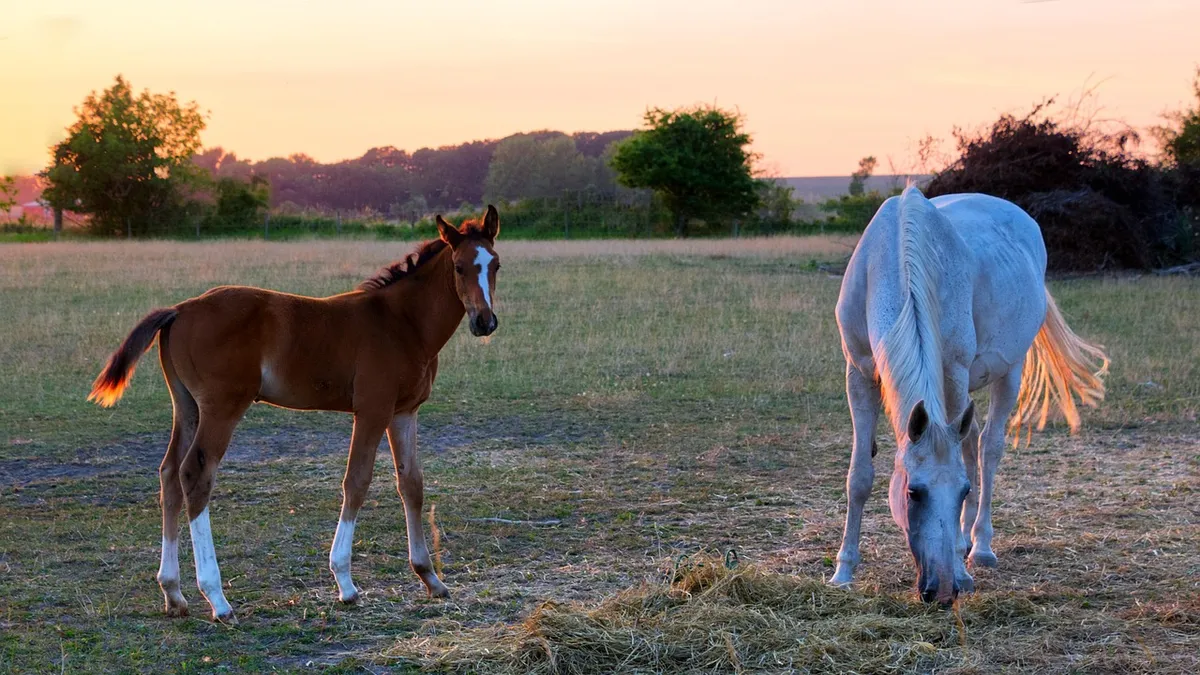
Suspected Botulism Behind Utah Horse Deaths; Feed Gets Recalled
Utah's Department of Agriculture and Food is investigating suspected botulism in horses across Utah, Nevada and Arizona, with more than a dozen reported deaths. Laub's Feeding and Cubing has voluntarily recalled alfalfa hay cubes sold since October 3, and state officials advise owners who bought them after that date not to use them while testing continues.
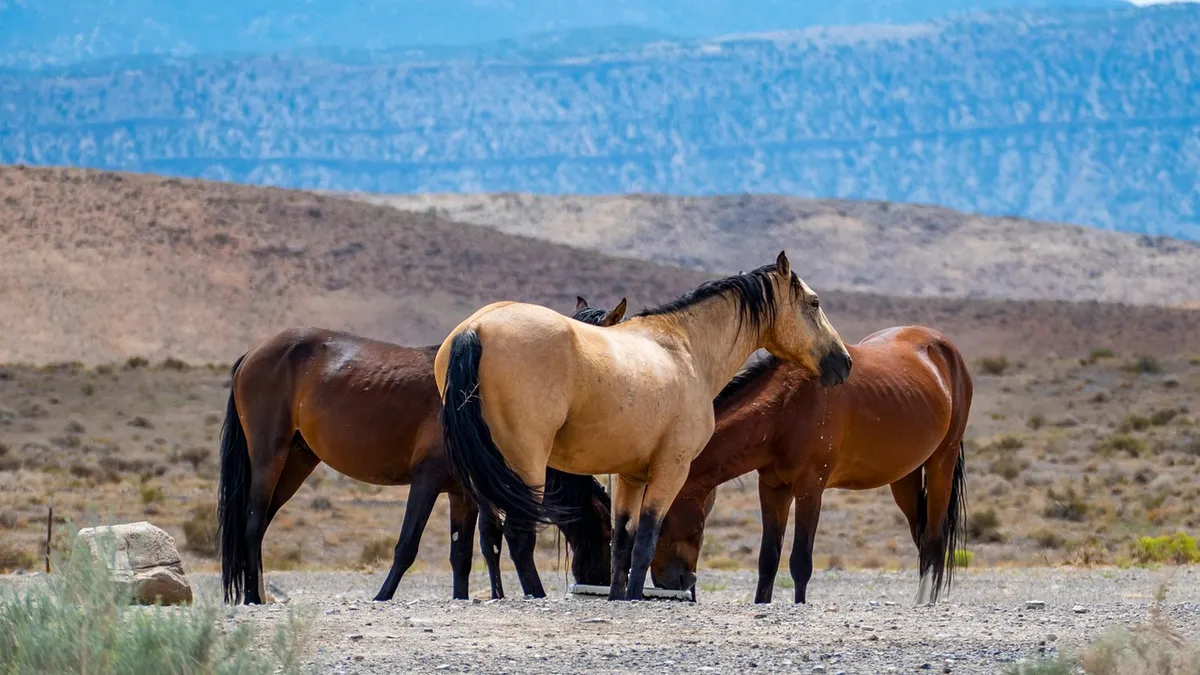
BLM Starts Cedar Mountain Wild Horse Gather to Protect Herd and Rangeland Health
The Bureau of Land Management has begun a gather of wild horses in the Cedar Mountain Herd Management Area near Skull Valley, Utah. The agency says the estimated population is nearly double what the rangeland can support. Helicopters will guide horses into temporary corrals, and certain public lands around the site will be closed, including to drones.
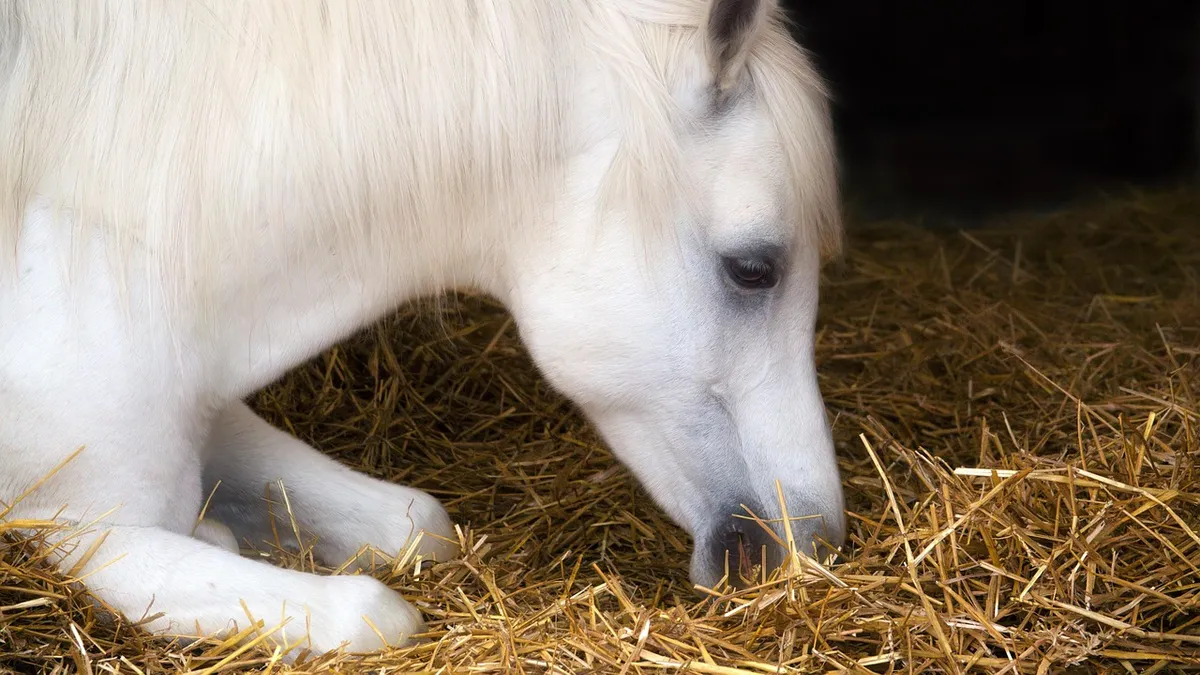
Feed recall issued in southern Utah following multiple horse deaths
Several horses in southern Utah, Nevada and Arizona have died, and the Utah Department of Agriculture and Food is investigating, though the cause has not been confirmed. Investigators are testing feed cubes sold at facilities in southern Utah, and Laub's Feeding and Cubing has issued a voluntary recall of alfalfa hay cubes sold on or after Oct. 3.
New horse owner survey reveals impact of PPID diagnosis
A survey by Boehringer Ingelheim of nearly 2,000 horse owners in 49 states found that riding time often drops after a PPID diagnosis, but that treatment can help restore it. Owners also report better recognition of the disease's signs than they did a decade and a half ago.
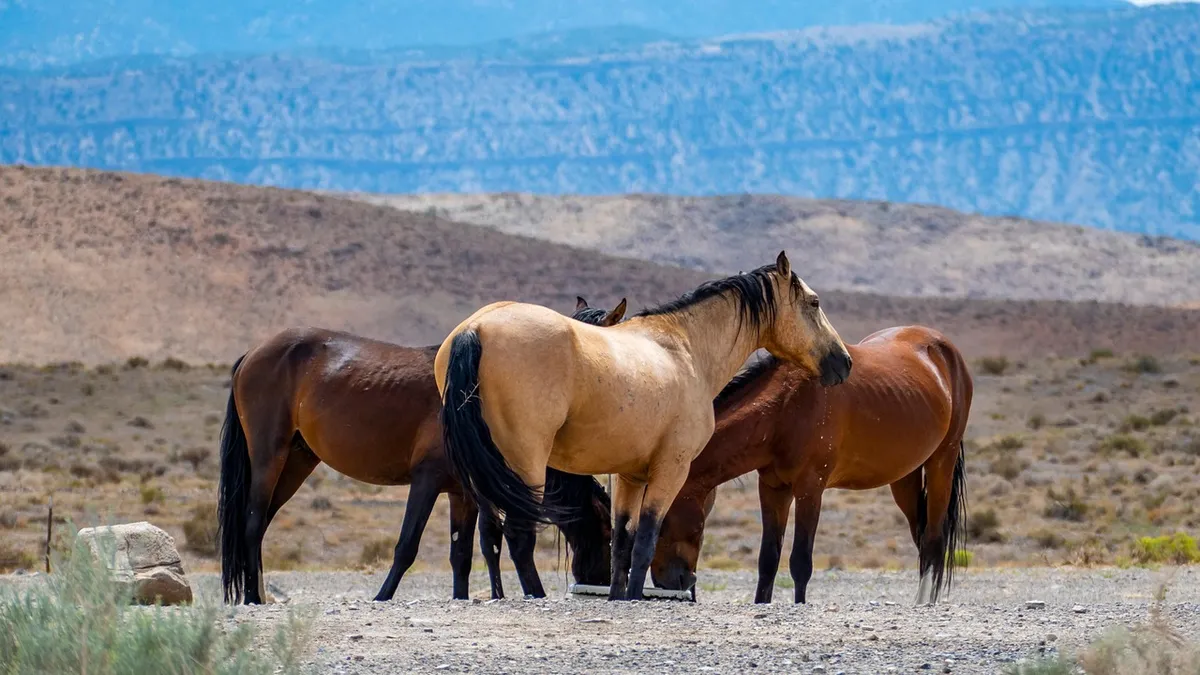
BLM Begins Swasey Wild Horse Gather near Delta to Balance Population Size
The Bureau of Land Management has begun a gather of wild horses in the Swasey Herd Management Area near Delta, Utah. The agency estimates about 247 horses live there, above a target of 60 to 100, and plans to remove roughly 140.
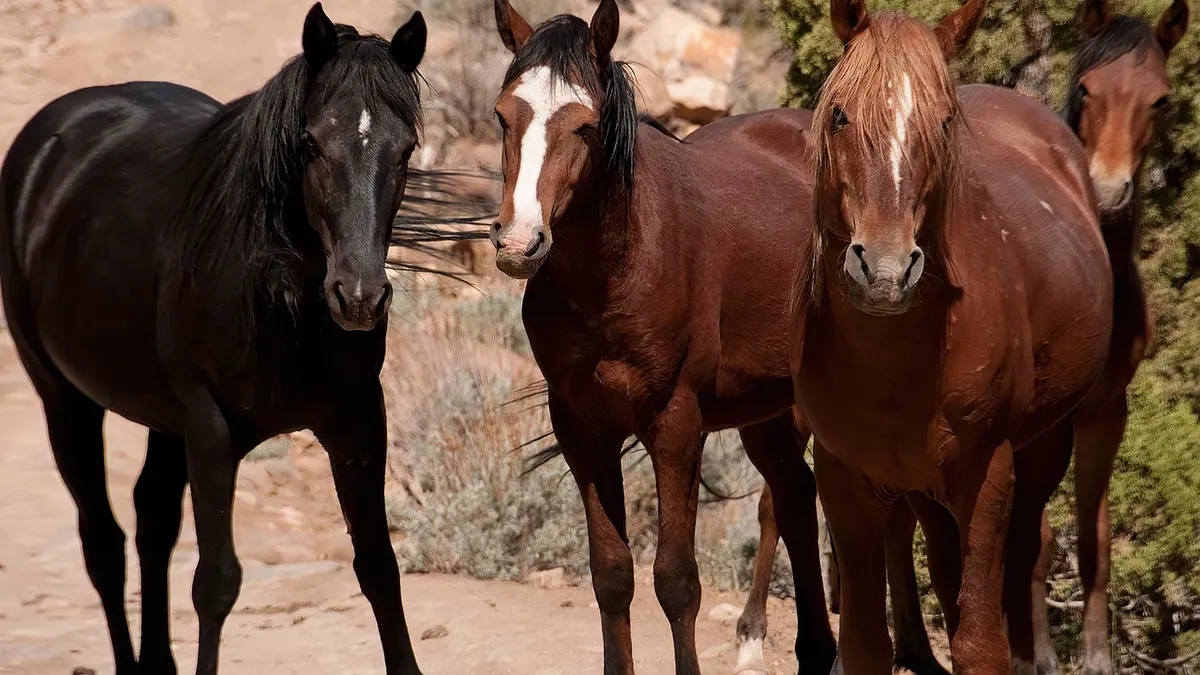
Horse Advocates Livid At BLM For Shooting Rare Blue-Eyed Mustangs For Being 'Blind'
The Bureau of Land Management euthanized three blue-eyed cremello mustangs, including two foals, on Oct. 19 during a roundup in the Red Desert Complex in Wyoming, saying the horses were blind. Wild-horse advocates say the killings were needless and that a veterinarian should have assessed the animals first.
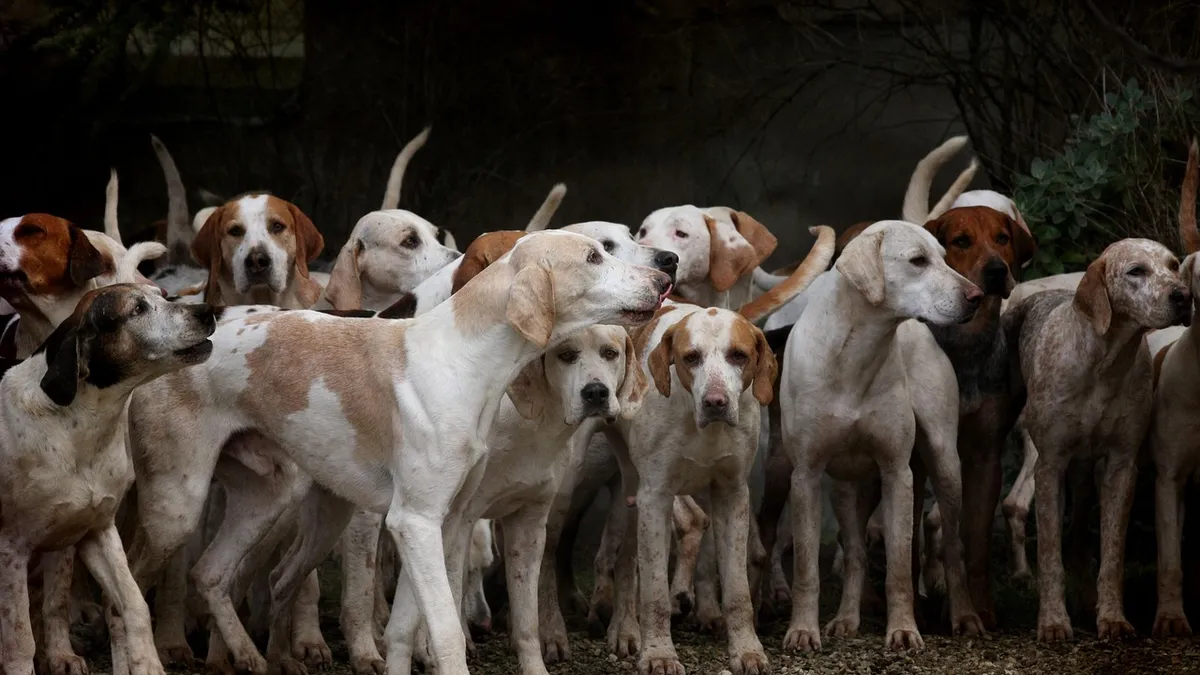
Keeping one eye open: Veterinarian applies unique treatment to preserve dog's eyesight
A nine-year-old bluetick beagle named Ziggy lost one eye to an autoimmune disease at Virginia Tech's Veterinary Teaching Hospital, and his remaining eye showed a partially detached retina. A steroid injection near the eye restored his vision within about a week to 10 days, and the treatment is being used to manage his condition.

Midway University immerses equine students in hands-on horse farm learning
Midway University, in Midway, Kentucky, is teaching equine students through hands-on work at its 200-acre working horse farm, where more than 30 horses of different breeds are cared for. First-year students are assigned to one of three barns from their first day on campus. The university's roughly 160 equine students can choose from management, rehabilitation, business and sales, or pre-vet tracks.
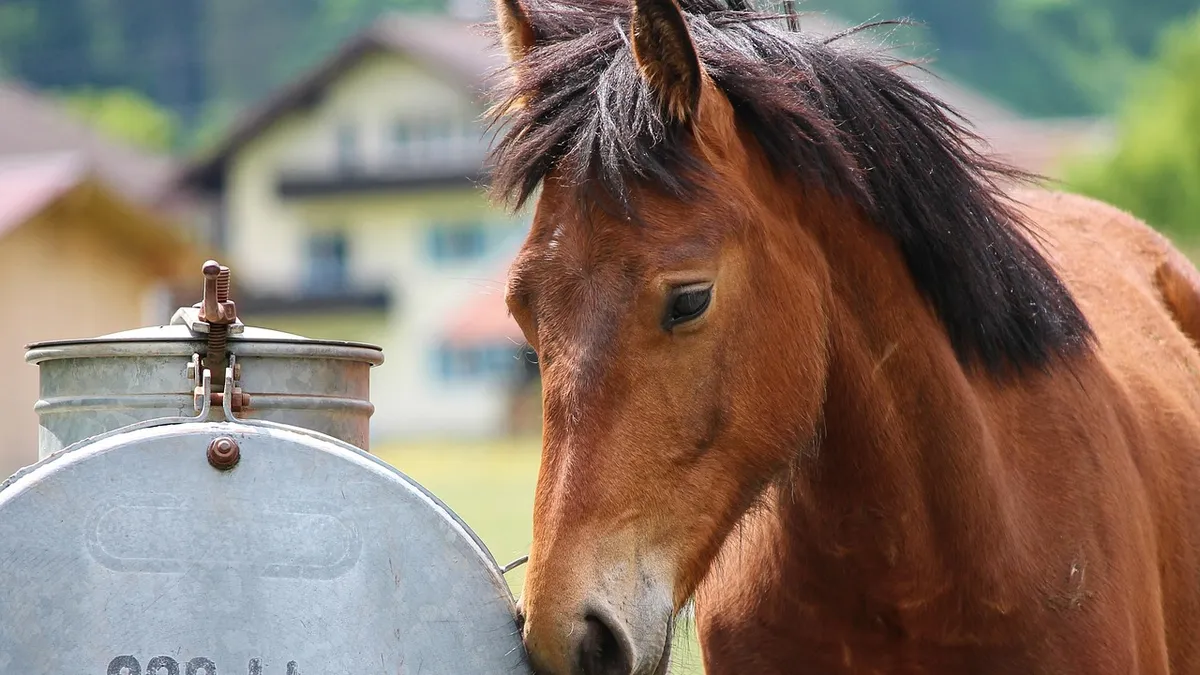
Over 60% of Connecticut horses exposed to Leptospira bacteria, study finds
A study published in BMC Veterinary Research tested nearly 400 horse samples from Connecticut for Leptospira exposure, using samples submitted by owners for other diseases. About 61.5% had antigens linked to at least one strain of the bacteria, with the most common serogroups being Djasiman, Grippotyphosa, Australis, Pomona and Icterohaemorrhagiae.

State-By-State Hay Markets
A High Plains Journal roundup of hay markets across nine states finds prices generally steady to firm heading into fall. Oklahoma reports high demand with rain arriving too late in the year, and western South Dakota sees strong demand after a severe drought left little hay made this season.
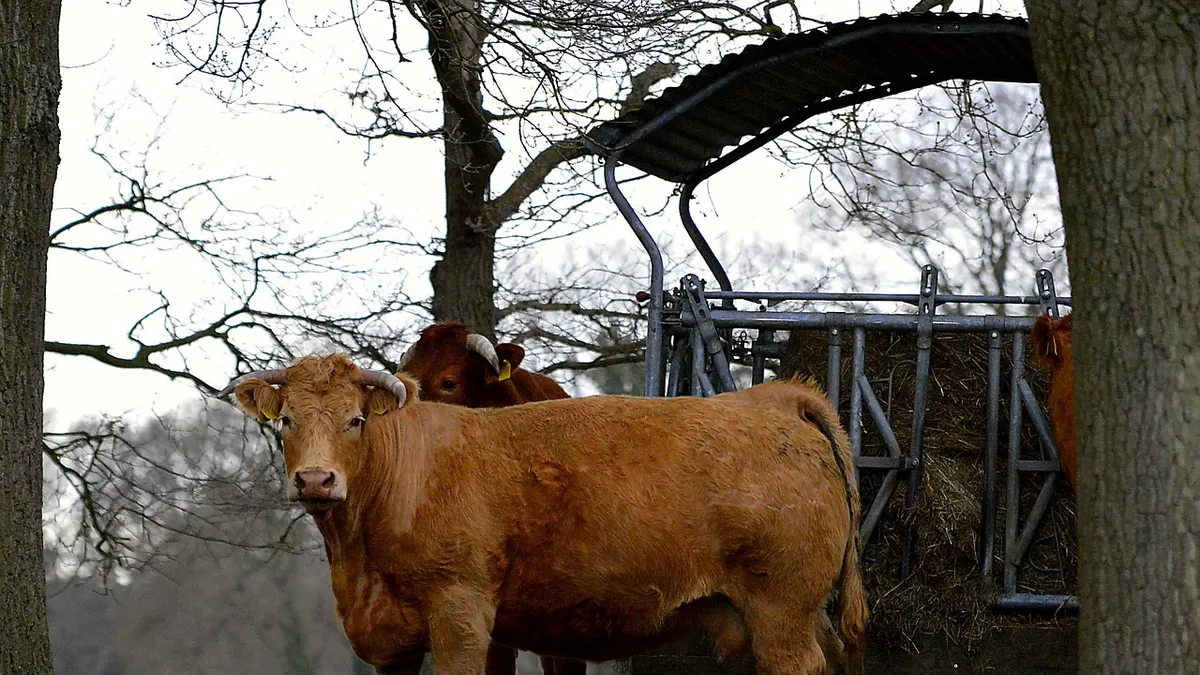
Nebraska Extension series to help cattle producers evaluate feed options amid drought, higher hay prices
Nebraska Extension will offer a four-session online webinar series, Fundamentals of Feeding the Cow, on Nov. 9, 12, 16 and 19 from 7:30 to 8:45 p.m. CT. The course covers beef cow nutrition and how to compare feed options as drought and higher hay prices raise winter feeding costs. Registration is $65, limited to 40 people, and due Oct. 26.

Montrose nonprofit seeks donations to feed retired therapy horses amid hay shortage
Metaphorse Growth and Healing Center, a Montrose, Colorado nonprofit that houses retired horses used in therapy, is asking the community for help with hay costs. The nonprofit needs about 400 bales a year, and this year the bill is projected near $60,000, roughly double a typical year, because of drought and limited supply.

Georgia drought expands to 146 counties, driving up hay costs and raising food price concerns
Georgia's drought has led the Department of Agriculture to designate 146 counties as natural disaster areas, after adding 20 more. In Cherokee County, pastures are struggling to recover even after recent rain, pushing livestock owners toward harder-to-find and pricier hay.

Standardbred Owners Score Thoroughbred Wins at Colonial
Two Virginia owners, Adam Ainspan and Anne McDonald, won thoroughbred races during Colonial Downs' three-day Virginia Derby meet in New Kent, March 12-14. Ainspan's Tour Player took the $100,000 Royal New Kent Stakes before a crowd of 9,700, and McDonald's C C Commander won a $50,000 maiden claiming race. Both are known for harness horses as well.
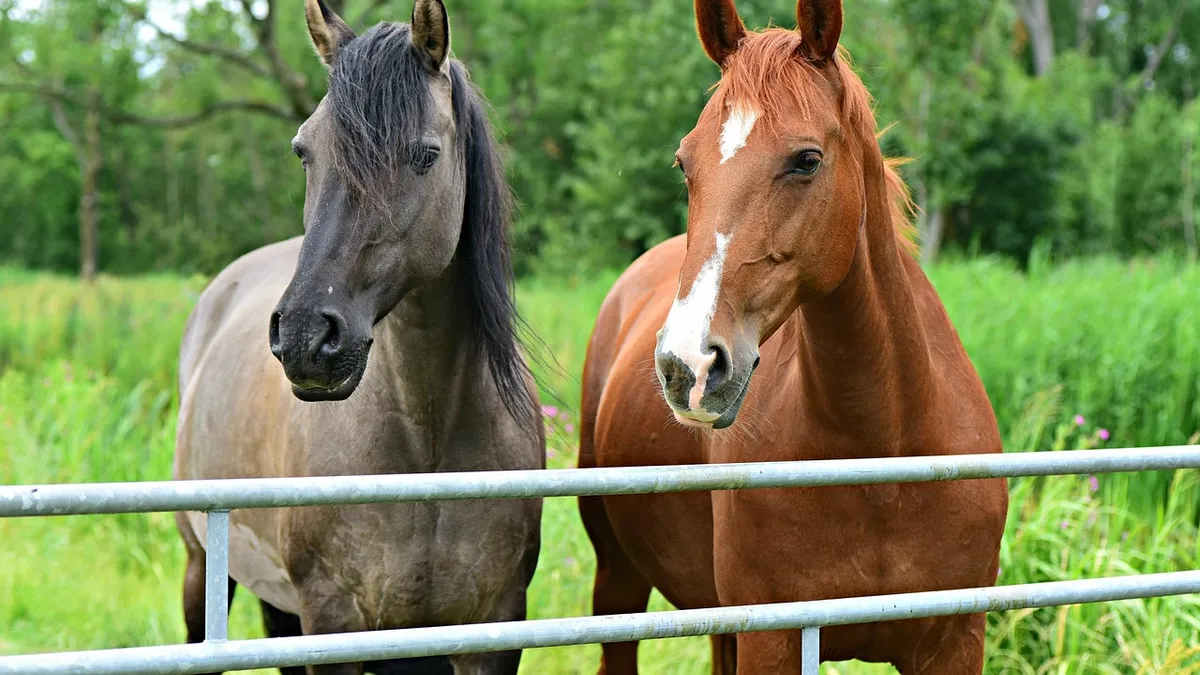
Horse Spots Owner’s New Hair Color—What He Does Next Melts Hearts
A UK dressage rider's TikTok video, posted February 24, shows her horse hesitating to come to the gate after she dyed her hair from blonde to brunette. The clip has been viewed more than 2.1 million times, and viewers responded with a flood of jokes about the horse not recognizing her.
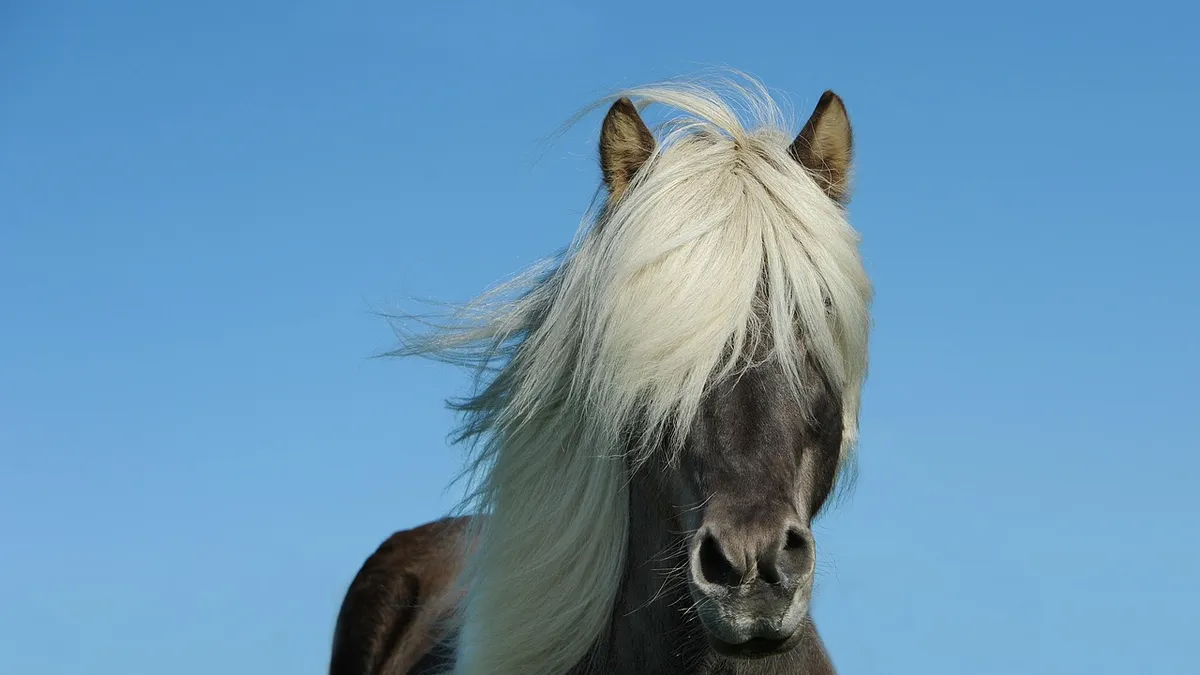
Scientists finally solve the mystery of the horse whinny
Researchers at the University of Copenhagen report in Current Biology that a horse's whinny combines two sounds at once: a low tone made by vibrating the vocal folds and a high tone made by a whistle inside the larynx. The team confirmed the whistle using horse larynges removed after death and airflow tests with helium.
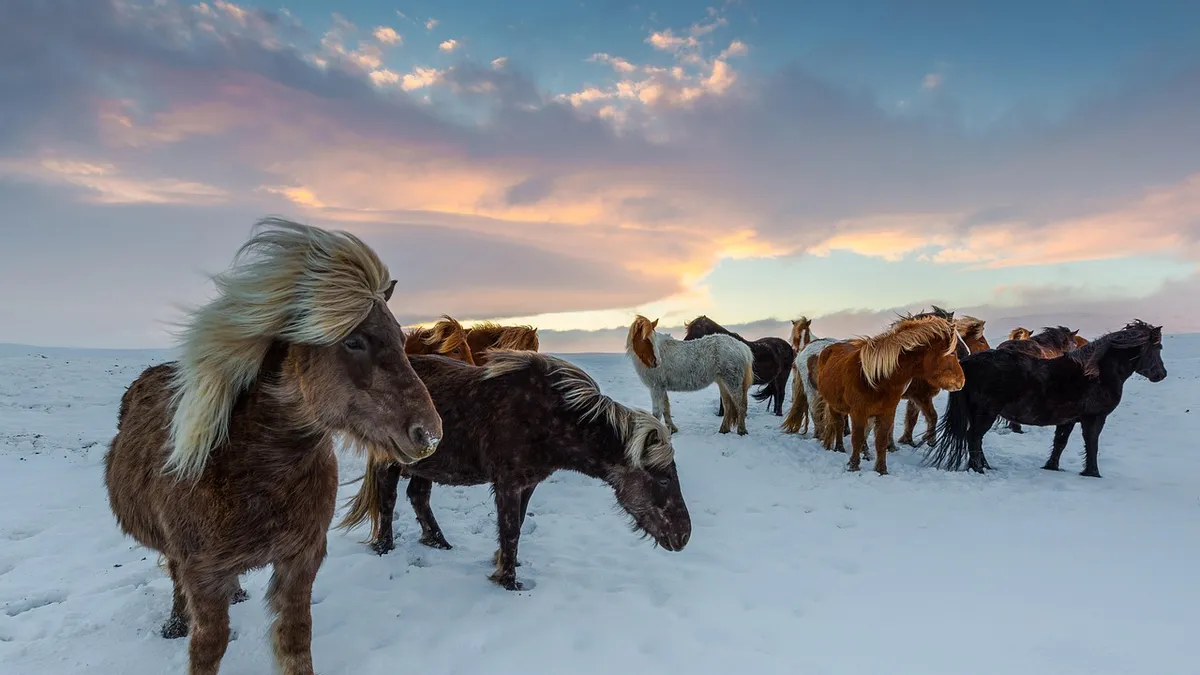
Horses 'mane' inspiration for new generation of social robots
Researchers at the University of Bristol, presenting at the CHI '25 conference in Yokohama, argue that social robots used in therapy should act as active partners rather than obedient companions. Their model draws on equine-assisted interventions, where horses respond to a person's emotional state. The study notes that these horse-based therapies are costly and hard to access.
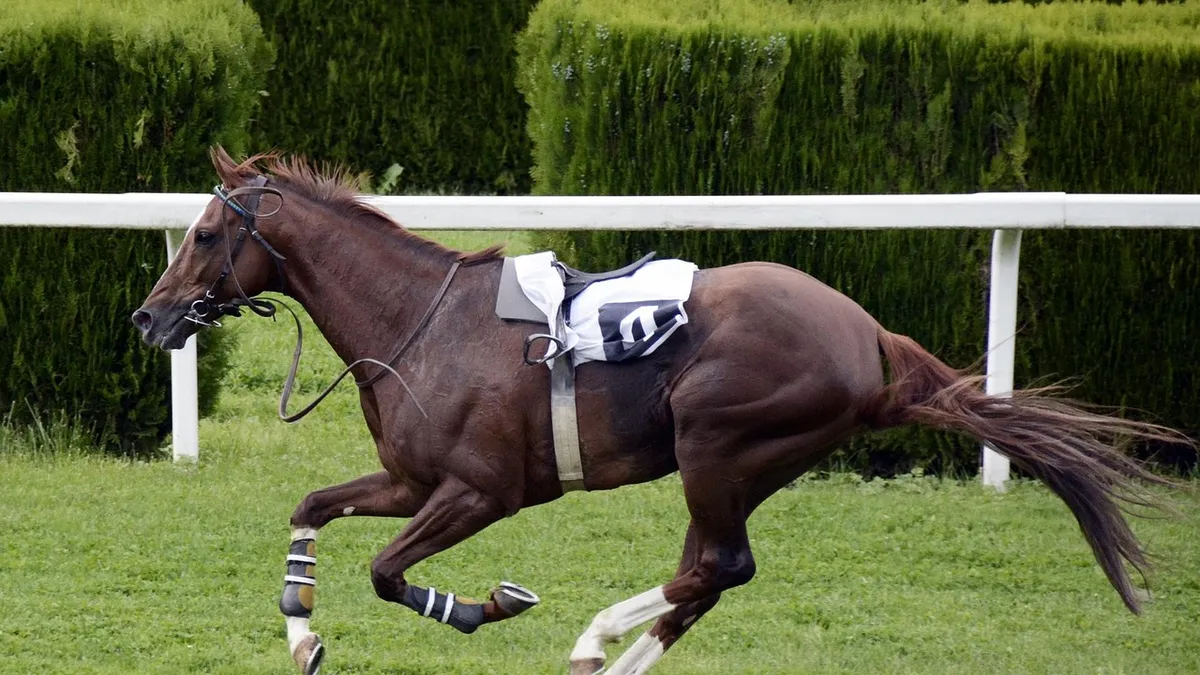
2025 Preakness Stakes Horse Owners: Entries, post positions, key contenders, and more
The 150th running of the Preakness Stakes is set for Saturday, May 17, with coverage starting at 4 PM ET on NBC and Peacock. Journalism, runner-up in the Kentucky Derby, is the morning line favorite, and Bob Baffert is seeking his 9th Preakness win with Goal Oriented.
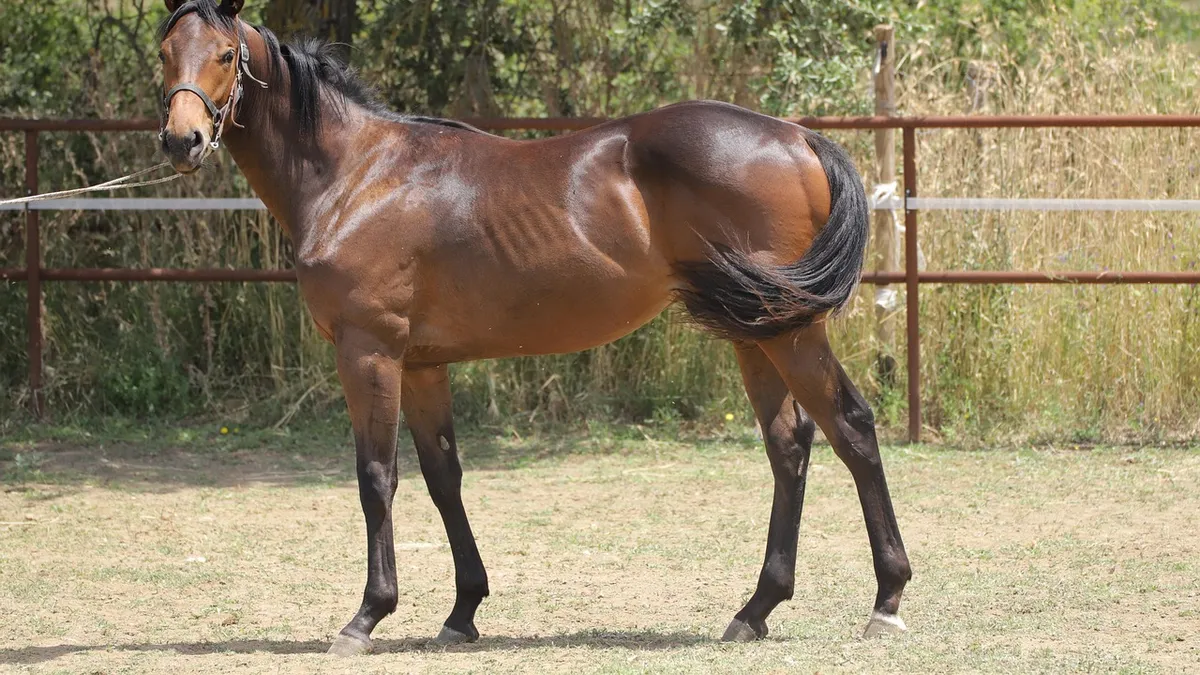
How wealthy horse owners finance their passion and potentially earn millions
A private banker at Bank of America, who specializes in equestrian clients in Nashville, describes how wealthy horse owners typically fund their purchases. Clients usually borrow against marketable securities instead of selling assets, since banks won't accept horses as collateral. The article also notes that stud fees can outpace race winnings for top horses.
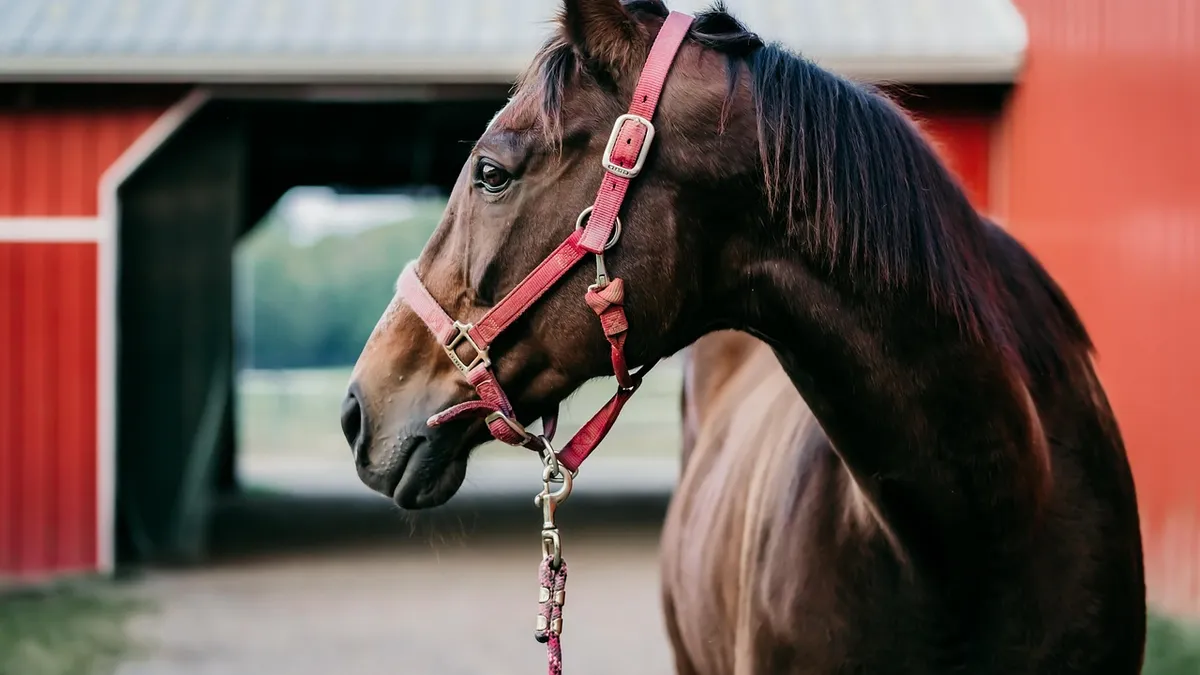
Study explores horse owners' preparation and preferences for veterinary care
A University of Kentucky study published in Equine Veterinary Education surveyed 4,915 usable responses from horse owners across all 50 U.S. states about how they use veterinary care. It found that financial limits strongly shape how owners access care, with only about 14% keeping a dedicated medical savings account and close to 80% not insuring their horses.
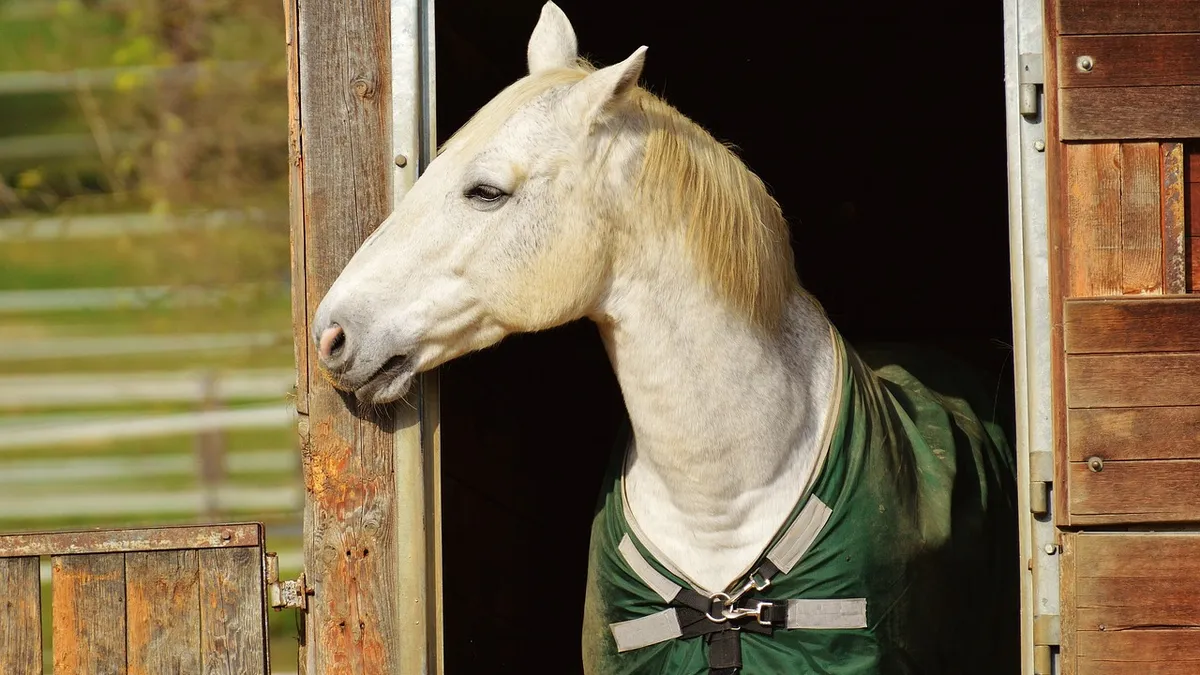
How a small number of mutations can fuel outbreaks of western equine encephalitis virus
Researchers led by Jonathan Abraham at Harvard Medical School report how small mutations in western equine encephalitis virus change its ability to infect humans and horses. The study, published in Cell on April 4, compares strains isolated over the past century. The virus caused a major outbreak in South America in 2023, involving thousands of horses and over a hundred confirmed human cases.

How Could Promised Tariffs Impact Horse Owners?
President Trump signed executive orders imposing new tariffs on imports from Mexico, Canada and China. The 10% Chinese tariffs are in effect, covering items such as saddles, boots and blankets. The proposed 25% tariffs on Canadian and Mexican goods were delayed until March 4, 2025, and would hit hay, feed, trailers and lumber.
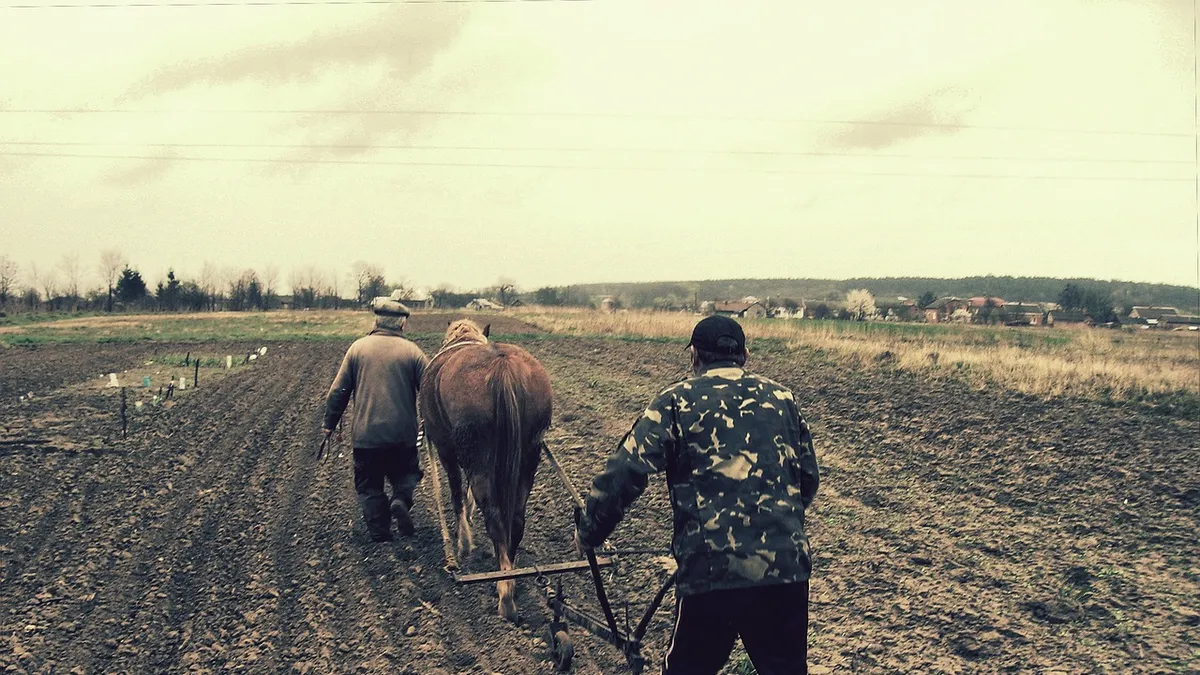
Owners' belief in horse emotion is linked to healthier animals, new study shows
A study by the charity Brooke and the University of Portsmouth found that working horse owners who believe their horses have emotions tend to keep healthier animals with better body condition. The research involved 299 owners and their horses in towns and villages in the Senegalese regions of Diourbel, Louga and Thiès, and was published in PLOS ONE.
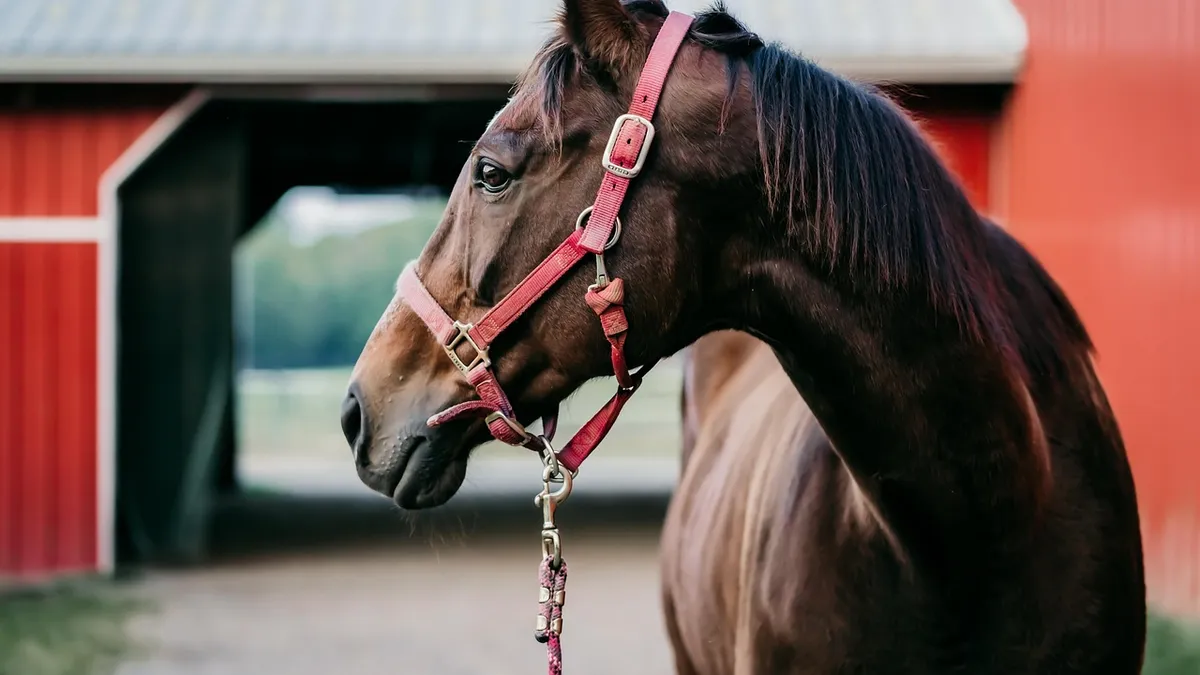
Equine veterinarian shortage only going to get worse, industry warns
Equine veterinarians in Australia are warning of a looming shortage, especially in regional areas. Martin Dolinschek, the new president of Equine Veterinarians Australia, says lower starting pay and on-call demands deter new graduates, with only about 2 to 3 per cent of around 800 new vets each year thought to enter equine medicine.
Efforts Made to Respond to Equine Veterinary Shortage
A national commission, with input from the Marion duPont Scott Equine Medical Center in Leesburg, is examining a growing shortage of equine veterinarians in the United States. Few veterinary students choose equine work, and many equine-focused graduates move into small animal practice or leave the field within five years.
Horse owners should watch for symptoms of equine disease
Purdue University is urging horse owners to watch for signs of Potomac Horse Fever, a bacterial disease that can be fatal. A horse at the university's Large Animal Hospital was diagnosed in mid-June, earlier than the July or August cases usually seen in Indiana, and the specialist linked the early timing to a mild winter and spring.