
Horse breeds / Turkoman horse
Horse breed
Turkoman horse
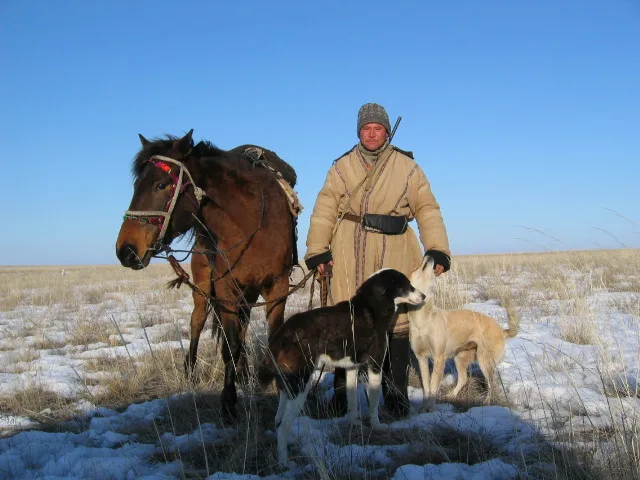
The Turkoman horse comes from the steppes and desert regions of Central Asia, including what is now Turkmenistan, northern Iran, and parts of Turkey. Breeders developed it over many centuries for endurance, speed, and the ability to cover long distances on sparse forage and water. It was prized by nomadic peoples and used for raiding, herding, and long journeys across harsh terrain.
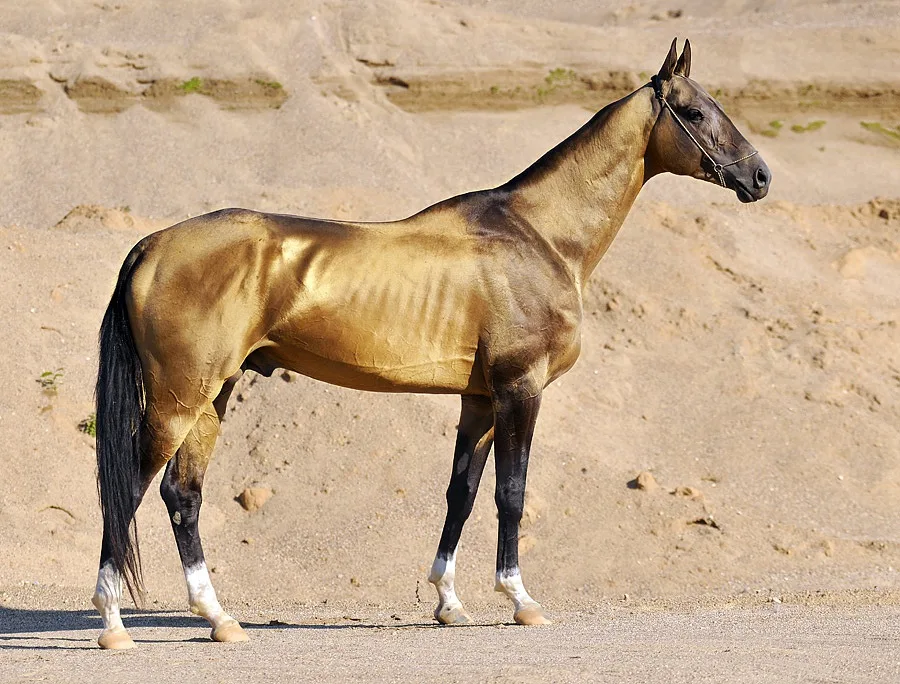
Turkomans are typically lean, athletic, and refined, with a level head and a willing attitude. They have a smooth, ground-covering way of going that many riders find comfortable over distance. Their intelligence and calm nature make them manageable for capable beginners, though they can be spirited and expect clear, consistent handling from their rider.
Day to day, a Turkoman needs regular movement, good-quality forage, and shelter from extremes of weather. They do best with work that keeps them fit and with the companionship of other horses, which keeps them settled and content.
Good for: Endurance riders, trail riders, experienced all-around riders
| Size | medium |
| Weight | 882–1102 lb |
| Height | 56–61 in |
| Life span | 25–30 years |
| Exercise | about 60 min a day |
| Shedding | moderate |
| Origin | Iran, Turkey |
Turkomans are sensitive and forward, so a first-time owner should expect to invest in patient, consistent groundwork and riding instruction.
Living with a Turkoman horse
Exercise
Turkomans need daily movement and regular work to stay fit and balanced. Ample turnout supports their natural gait and mental health. With too little exercise, they can become restless, bored, or overweight.
Grooming
Turkomans have a fine, short coat that is easy to maintain with regular brushing. Their mane and tail are typically moderate in length and need only light detangling. Feathers are not a feature of this breed. Hooves should be trimmed or shod regularly, and clipping is rarely necessary.
At home
Turkomans are hardy and do well with generous turnout, ideally with access to pasture and a run-in shelter for weather protection. They tolerate cold and heat better than many breeds, but they are happiest in a small herd. Most are easy keepers, though fit horses in work may need extra calories. Monitor body condition closely to avoid overweight.
Training
Turkomans tend to learn quickly and respond well to patient, consistent training. They excel at endurance riding, trail work, and general all-around riding, and many show a natural aptitude for distance work. A green Turkoman can be forward and sensitive, so expect to build confidence and steady rhythm gradually before asking for advanced movements.
Health
Turkomans are generally considered a hardy breed, though like many horses they can be prone to general conditions such as laminitis when overfed. Breed-specific health data is limited, so ask a veterinarian about screening and preventive care suited to your horse.
- Laminitis
- Colic
- Metabolic disorders
Known tendencies, not a diagnosis: ask your vet about this breed.
The numbers for a Turkoman horse
Forage and water, adult
15–25 lb of hay a day
Forage at 1.5–2.5% of body weight at 882–1102 lb, and 9–16 gallons of water, more in heat and on hay alone. Grain only for the work being done.
What a year costs
$2,950–$5,050
Hay about $1,752, plus farrier every 6–8 weeks, routine vet, dental and dewormer. Board, lessons and showing on top; US averages.
Weather
Watch above 80°F, stop at 90°F
Blanket or shelter below 10°F. Horses mind heat more than cold: with shelter and water most are fine to about 10°F unclipped, and above a heat index of 150 (air °F + humidity %) ride early or not at all.
Where a Turkoman horse is comfortable
Easy most of the year: Alabama, Alaska, Arkansas, California, Colorado, Connecticut, Delaware, Florida, Georgia, Hawaii, Idaho, Illinois, Indiana, Iowa, Kansas, Kentucky, Louisiana, Maine, Maryland, Massachusetts, Michigan, Minnesota, Mississippi, Missouri, Montana, Nebraska, New Hampshire, New Jersey, New Mexico, New York, North Carolina, Ohio, Oregon, Pennsylvania, Rhode Island, South Carolina, South Dakota, Tennessee, Vermont, Virginia, Washington, Washington, DC, West Virginia, Wisconsin, Wyoming.
Summer needs care (early rides, shade, fans): Arizona, Nevada, Oklahoma, Texas, Utah.
Winter needs care (blanket, shelter, water that is not frozen): North Dakota.
From typical July highs and January lows by state and this breed's heat and cold limits. Shade, shelter and water change everything; this is about turnout and work.
Right now
Latest feed recalls
Multiple Brand Names: Chicken Feed, Swine Feed, Cattle Feed, Horse Feed
ADM Animal Nutrition · Apr 1 · Specific lots may contain elevated levels of calcium, phosphorus, magnesium, sodium and/or chloride and may harm chickens, swine, beef cattle and equine.
Recent research
Y-chromosomal insights into the breeding history and sire line genealogies of two traditional Baroque horse breeds: Lipizzaner and Kladruber
Journal of equine veterinary science · 2025
Population structure and genomic footprints of selection in five major Iranian horse breeds
Animal genetics · 2022
Y Chromosome Uncovers the Recent Oriental Origin of Modern Stallions
Current biology : CB · 2017
Veterinary papers that mention the breed, from PubMed.
Rescue a Turkoman horse
Shelters and breed rescues list Turkoman horses and Turkoman horse mixes every week. Search adoptable Turkoman horses on Petfinder → New to the breed? The first-horse kit →
Is a Turkoman horse right for you?
- Yes if you want a hardy horse for long trail or endurance rides
- Yes if you enjoy a horse that is smart and eager to work
- Yes if you can provide regular turnout and companionship
- Think twice if you want a calm, lazy horse for casual rides
- Think twice if you prefer a large, heavy horse for draft or pleasure driving
Questions owners ask
Is the Turkoman good for beginners?
Turkomans can suit capable beginners with guidance, but their sensitivity and forward nature mean they are better for riders who can stay consistent and calm.
How much does a Turkoman horse cost?
Prices vary widely by bloodline, age, and training, and rare Turkomans can be expensive. Check with reputable breeders and registries for current market figures.
How tall is a Turkoman horse?
Turkomans typically stand about 14.0 to 15.2 hands at the withers, which is roughly 142 to 155 centimetres.
How long do Turkoman horses live?
With good care, Turkomans often live into their mid-twenties to around thirty years, similar to many other hardy horse breeds.
Are Turkomans easy keepers?
Many Turkomans are easy keepers, thriving on good pasture and quality forage, but they can gain weight quickly and need body condition monitoring.
Similar breeds
Written by Hoofdeck editors · updated Nov 13, 2026 · facts from Wikidata; health notes are general veterinary guidance, not a diagnosis.