
Horse breeds / Standardbred
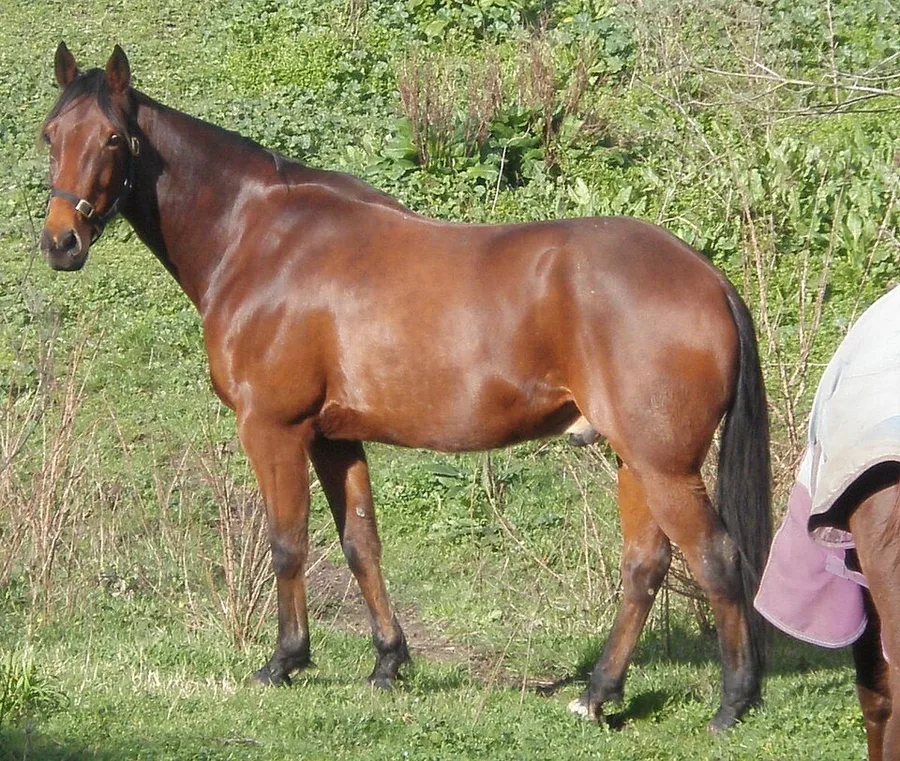
Photo: Izzypie Isabella Marks, AU · CC BY 3.0 · Wikimedia Commons
Horse breed
Standardbred
The Standardbred was developed in the United States in the 19th century, with its roots traced to the Thoroughbred-influenced trotting horses of the eastern states. Breeders selected for speed at the trot and pace, and the breed takes its name from the "standard" time, a qualifying speed for harness racing. Today it is best known as the horse that pulls the sulky in harness racing, and it remains one of the most active racing breeds in the country.
Standardbreds are typically willing, steady, and people-oriented, with a calm, sensible temperament once they settle into a home. Many racing horses retire to second careers, and they can be very rewarding for riders who enjoy a forward, economical gait. Their trot is smooth and ground-covering, and they often adapt well to trail riding and light driving. Green horses may need time to adjust to riding after years on the track.
Day to day, a Standardbred needs regular turnout to stay sound and mentally settled, along with a consistent work routine. Access to good forage, quality hay, and steady companionship helps them thrive. Retired racehorses especially benefit from a gradual transition, with structured schooling and time to decompress from track life.
Good for: Trail riders, harness driving, experienced and patient owners
| Size | medium |
| Weight | 992–1213 lb |
| Height | 59–64 in |
| Life span | 25–30 years |
| Exercise | about 60 min a day |
| Shedding | moderate |
| Origin | United States |
Ex-racehorses often need a gradual retraining program, so get a pre-purchase exam and ask about the horse's background.
Living with a Standardbred
Exercise
Most Standardbreds need regular daily work, whether ridden, driven, or in-hand, plus turnout. Without enough exercise they can become fizzy, restless, or prone to weight gain. A consistent routine keeps them focused and comfortable.
Grooming
Standardbreds have a short, fine coat that is easy to maintain with regular brushing. Their manes and tails are typically left natural, with occasional trimming. Hooves need regular trimming or shoeing, and many owners clip their horses during heavy winter work.
At home
Standardbreds do well with daily turnout and can handle a range of climates thanks to their sturdy build. They generally fare best in a herd, since they are sociable and enjoy companionship. Many are easy keepers on good hay, though racing and retired-racing horses may need extra calories and close attention to body condition.
Training
Standardbreds learn quickly and respond well to consistent, patient handling. They excel in harness work, trail riding, and light English or western riding, and many retired racers adapt to new disciplines. Expect a green or ex-racing horse to need time to learn ridden work and to unlearn some track habits.
Health
Standardbreds are generally sound, but racing history can bring a higher risk of joint and soft-tissue issues. Breed-associated conditions are not well documented in a single list, so ask your veterinarian about a pre-purchase exam and any concerns from the horse's racing career.
- Joint and soft-tissue injuries
- Hoof problems
- Colic
Known tendencies, not a diagnosis: ask your vet about this breed.
The numbers for a Standardbred
Forage and water, adult
17–28 lb of hay a day
Forage at 1.5–2.5% of body weight at 992–1213 lb, and 10–18 gallons of water, more in heat and on hay alone. Grain only for the work being done.
What a year costs
$3,150–$5,350
Hay about $1,971, plus farrier every 6–8 weeks, routine vet, dental and dewormer. Board, lessons and showing on top; US averages.
Weather
Watch above 80°F, stop at 90°F
Blanket or shelter below 10°F. Horses mind heat more than cold: with shelter and water most are fine to about 10°F unclipped, and above a heat index of 150 (air °F + humidity %) ride early or not at all.
Where a Standardbred is comfortable
Easy most of the year: Alabama, Alaska, Arkansas, California, Colorado, Connecticut, Delaware, Florida, Georgia, Hawaii, Idaho, Illinois, Indiana, Iowa, Kansas, Kentucky, Louisiana, Maine, Maryland, Massachusetts, Michigan, Minnesota, Mississippi, Missouri, Montana, Nebraska, New Hampshire, New Jersey, New Mexico, New York, North Carolina, Ohio, Oregon, Pennsylvania, Rhode Island, South Carolina, South Dakota, Tennessee, Vermont, Virginia, Washington, Washington, DC, West Virginia, Wisconsin, Wyoming.
Summer needs care (early rides, shade, fans): Arizona, Nevada, Oklahoma, Texas, Utah.
Winter needs care (blanket, shelter, water that is not frozen): North Dakota.
From typical July highs and January lows by state and this breed's heat and cold limits. Shade, shelter and water change everything; this is about turnout and work.
Right now
Latest feed recalls
Multiple Brand Names: Chicken Feed, Swine Feed, Cattle Feed, Horse Feed
ADM Animal Nutrition · Apr 1 · Specific lots may contain elevated levels of calcium, phosphorus, magnesium, sodium and/or chloride and may harm chickens, swine, beef cattle and equine.
In the news
Standardbred Owners Score Thoroughbred Wins at Colonial
The Blood-Horse · Mar 20
Rescue a Standardbred
Shelters and breed rescues list Standardbreds and Standardbred mixes every week. Search adoptable Standardbreds on Petfinder → New to the breed? The first-horse kit →
Is a Standardbred right for you?
- Yes if you want a calm, willing horse for trail riding
- Yes if you enjoy driving or harness work
- Think twice if you want a push-button beginner horse fresh off the track
- Think twice if you cannot provide daily work and turnout
- Yes if you value a friendly, people-oriented companion
Questions owners ask
Are Standardbreds good for beginners?
Many are calm and willing, but ex-racehorses often need retraining. A seasoned trainer can help a novice choose a suitable individual.
How tall are Standardbreds?
Adults typically stand about 15 to 16 hands at the withers, roughly 150 to 163 centimetres.
How long do Standardbreds live?
With good care, Standardbreds commonly live into their mid to late twenties and sometimes beyond.
What are Standardbreds used for?
They are best known for harness racing and are also used for trail riding, driving, and recreational riding.
Are Standardbreds easy keepers?
Many are easy keepers on good hay, but racing and retired horses may need extra feed. Monitor body condition closely.
Similar breeds
Written by Hoofdeck editors · updated Nov 13, 2026 · facts from Wikidata and Wikimedia Commons; health notes are general veterinary guidance, not a diagnosis.