
Horse breeds / Spanish Mustang
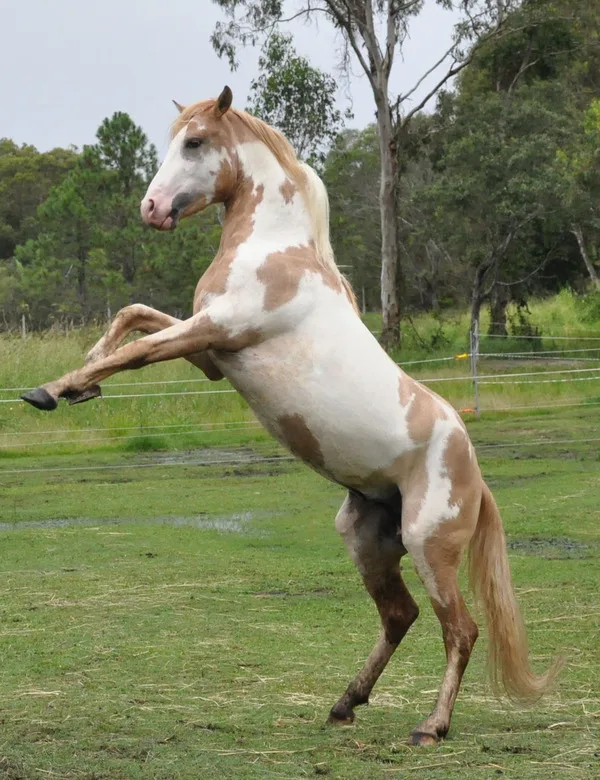
Photo: Kirsty Hagger · Public domain · Wikimedia Commons
Horse breed
Spanish Mustang
The Spanish Mustang descends from horses brought to the Americas by Spanish explorers and colonists beginning in the 1500s. Over centuries, many escaped or were released and ran wild on the plains and in the Southwest, and their descendants adapted to harsh conditions with notable stamina and self-reliance. Breeders later worked to preserve these bloodlines, and the breed now carries the Spanish heritage that defined the early American horse. It was bred to be a hardy, dependable working animal for ranchers and travelers.
Spanish Mustangs are known for an alert but calm disposition, a lively yet sure-footed way of going, and a willingness to work with people. They tend to be intelligent and curious, so they reward consistent, patient handling. Many owners find them well suited to trail riding and endurance, and experienced riders often enjoy their responsiveness. With steady handling, they can work well for newer riders, though their independent streak means a first-time owner should expect a horse that thinks for itself.
Day to day, a Spanish Mustang needs regular movement, daily turnout, and quality forage. They do best with companionship, ideally another horse, and they become restless when left isolated or under-worked. Routine matters to them, and consistent feeding, grooming, and training schedules help them settle. Attention to hoof care and a balanced diet keeps them sound and content.
Good for: Trail riders, endurance enthusiasts, and owners who value hardiness
| Size | small |
| Weight | 838–992 lb |
| Height | 56–60 in |
| Life span | 25–30 years |
| Exercise | about 60 min a day |
| Shedding | moderate |
| Origin | United States, Canada |
Expect an independent, thinking horse that needs consistent, patient handling and daily work.
Living with a Spanish Mustang
Exercise
A healthy adult Spanish Mustang typically benefits from about an hour of riding or in-hand work most days, plus turnout to move freely. Too little exercise can lead to boredom, excess energy, and behavior problems. Regular work keeps them fit, balanced, and mentally settled.
Grooming
Their coat is typically fine to medium in texture and sheds more heavily in spring. Mane and tail are usually full and can be brushed gently to limit breakage. Hooves need regular trimming or shoeing every four to eight weeks, and clipping is usually only needed for horses in heavy work during colde
At home
Spanish Mustangs are hardy and adapt well to outdoor life, often thriving with generous turnout and a shelter for wind and rain. They handle variable climates well, though they still need access to shade and clean water. They do best in a herd or with a companion, since they are social. Many are easy keepers, so monitor body condition and limit rich feed to avoid weight gain.
Training
Spanish Mustangs learn quickly when training is patient, varied, and consistent. They tend to excel on the trail, in endurance work, and in western or pleasure disciplines, and many show natural athleticism for jumping and dressage. A green horse of this breed may be thoughtful and sometimes wary at first, so expect a steady, confidence-building start rather than rapid progress.
Health
Like many easy-keeping breeds, Spanish Mustangs can be prone to weight-related issues such as laminitis, so careful diet management matters. Owners should ask their veterinarian about any breed-specific screening that may be relevant to their line. Routine dental, hoof, and vaccination care helps keep horses healthy.
- Laminitis
- Obesity-related metabolic issues
- Dental problems
Known tendencies, not a diagnosis: ask your vet about this breed.
The numbers for a Spanish Mustang
Forage and water, adult
14–23 lb of hay a day
Forage at 1.5–2.5% of body weight at 838–992 lb, and 8–15 gallons of water, more in heat and on hay alone. Grain only for the work being done.
What a year costs
$2,800–$4,850
Hay about $1,621, plus farrier every 6–8 weeks, routine vet, dental and dewormer. Board, lessons and showing on top; US averages.
Weather
Watch above 85°F, stop at 95°F
Blanket or shelter below 20°F. Bred for heat: fine working in warm weather with water and salt, but a thin coat and skin want a blanket and shelter below about 20°F.
Where a Spanish Mustang is comfortable
Easy most of the year: Alabama, Arkansas, California, Colorado, Connecticut, Delaware, Florida, Georgia, Hawaii, Idaho, Illinois, Indiana, Iowa, Kansas, Kentucky, Louisiana, Maine, Maryland, Massachusetts, Michigan, Mississippi, Missouri, Montana, Nebraska, New Hampshire, New Jersey, New Mexico, New York, North Carolina, Ohio, Oklahoma, Oregon, Pennsylvania, Rhode Island, South Carolina, Tennessee, Texas, Utah, Virginia, Washington, Washington, DC, West Virginia, Wyoming.
Summer needs care (early rides, shade, fans): Arizona, Nevada.
Winter needs care (blanket, shelter, water that is not frozen): Alaska, Minnesota, North Dakota, South Dakota, Vermont, Wisconsin.
From typical July highs and January lows by state and this breed's heat and cold limits. Shade, shelter and water change everything; this is about turnout and work.
Right now
Latest feed recalls
Multiple Brand Names: Chicken Feed, Swine Feed, Cattle Feed, Horse Feed
ADM Animal Nutrition · Apr 1 · Specific lots may contain elevated levels of calcium, phosphorus, magnesium, sodium and/or chloride and may harm chickens, swine, beef cattle and equine.
Rescue a Spanish Mustang
Shelters and breed rescues list Spanish Mustangs and Spanish Mustang mixes every week. Search adoptable Spanish Mustangs on Petfinder → New to the breed? The first-horse kit →
Is a Spanish Mustang right for you?
- Yes if you ride trails and want a sure-footed, enduring partner.
- Yes if you can keep a horse in a herd or with a companion.
- Yes if you want a hardy horse that handles outdoor living well.
- Think twice if you want a quiet, push-button horse for beginners.
- Think twice if you cannot provide daily movement and consistent work.
Questions owners ask
Is the Spanish Mustang good for beginners?
They can suit beginners with an experienced trainer or mentor, since they are intelligent and sometimes independent. A calm, consistent approach helps them build confidence.
How much does a Spanish Mustang cost?
Prices vary widely by age, training, and bloodline. Adoption or breeder pricing differs, so compare sellers and ask for a pre-purchase veterinary exam.
How tall do Spanish Mustangs get?
They are typically small to medium horses, usually about 14 to 15 hands at the withers. Individual height varies with bloodline and nutrition.
How long do Spanish Mustangs live?
With good care, they commonly live into their mid-to-late twenties or beyond. Diet, dental care, and hoof health play large roles in longevity.
Are Spanish Mustangs easy keepers?
Many are easy keepers that gain weight on modest feed. Monitor body condition and adjust forage and grain to prevent obesity.
Similar breeds
Written by Hoofdeck editors · updated Nov 13, 2026 · facts from Wikidata and Wikimedia Commons; health notes are general veterinary guidance, not a diagnosis.