
Horse breeds / Albanian horse
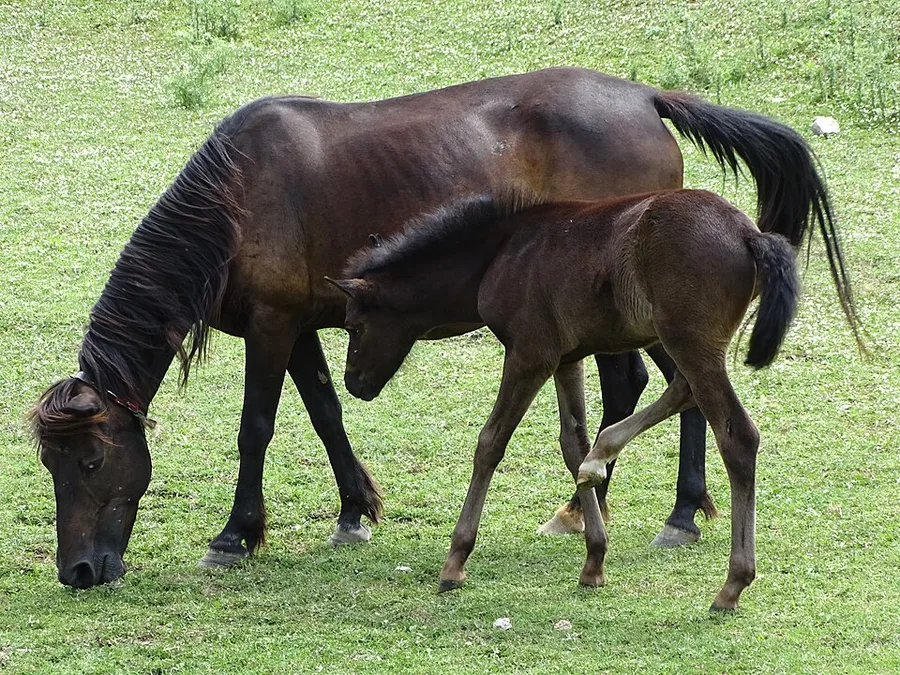
Photo: Adam Jones from Kelowna, BC, Canada · CC BY-SA 2.0 · Wikimedia Commons
Horse breed
Albanian horse
The Albanian horse is a native breed from Albania, shaped over centuries by the mountainous terrain and harsh conditions of the Balkans. Local horses were traditionally used as working animals in farming, transport through rough country, and as mounts for herders and rural families. Their small, sturdy build reflects a long history of practical service rather than formal breeding for sport.
Albanian horses are generally known as hardy, sure-footed and willing, with a calm, practical nature that suits riders who want a dependable all-round horse. They tend to have a steady way of going over uneven ground and are often considered workable for novice riders who value stability over flashiness. Individual horses vary, so meeting the animal in person is always worthwhile before committing.
Day to day, the breed needs regular movement, good forage and reliable hoof care to stay sound on rough or rocky terrain. Like most horses, they do best with companionship and a consistent routine, and they should be handled with patience and regular training to keep their willing attitude.
Good for: Trail riders, first-time owners, hardy all-round use
| Size | small |
| Weight | 772–992 lb |
| Height | 51–57 in |
| Life span | 25–30 years |
| Exercise | about 50 min a day |
| Shedding | moderate |
| Origin | Albania |
Expect to manage weight carefully, since these hardy horses can gain condition easily on good grazing.
Living with a Albanian horse
Exercise
Albanian horses benefit from regular daily work, ideally a mix of riding and turnout on varied ground. Around 45 to 60 minutes of work per day suits most healthy adults in regular use. Too little exercise can lead to weight gain, boredom and stiffness, so consistent movement is important.
Grooming
Albanian horses have a fairly simple coat that needs regular brushing to keep clean and healthy. The mane and tail can be kept tidy with routine brushing, and feathering is not typically a feature of the breed. Hooves should be trimmed or shod every few weeks, and clipping is only needed if the hors
At home
Albanian horses are typically hardy and can handle outdoor living well when given shelter from harsh weather and access to clean water. Daily turnout is best, with stabling reserved for extreme conditions or specific needs. They do better in a herd than alone. Most are fairly easy keepers, though body condition should be monitored and adjusted with forage and feed as needed.
Training
Albanian horses tend to learn steadily and are generally willing to work with their handlers. They are well suited to trail riding and general riding on varied terrain, and they can be a practical choice for novice owners. A green horse of this breed should be expected to need time, consistent handling and gradual introduction to new tasks rather than rapid progress.
Health
Albanian horses are generally considered hardy, but as with many small, easy-keeping breeds they may be prone to weight-related issues such as laminitis if overfed or under-exercised. Metabolic conditions can also occur in some horses. Ask a veterinarian about breed-specific risks and a suitable preventive care plan.
- Laminitis
- Metabolic syndrome
- Colic
Known tendencies, not a diagnosis: ask your vet about this breed.
The numbers for a Albanian horse
Forage and water, adult
13–22 lb of hay a day
Forage at 1.5–2.5% of body weight at 772–992 lb, and 8–14 gallons of water, more in heat and on hay alone. Grain only for the work being done.
What a year costs
$2,750–$4,750
Hay about $1,533, plus farrier every 6–8 weeks, routine vet, dental and dewormer. Board, lessons and showing on top; US averages.
Weather
Watch above 80°F, stop at 90°F
Blanket or shelter below 10°F. Horses mind heat more than cold: with shelter and water most are fine to about 10°F unclipped, and above a heat index of 150 (air °F + humidity %) ride early or not at all.
Where a Albanian horse is comfortable
Easy most of the year: Alabama, Alaska, Arkansas, California, Colorado, Connecticut, Delaware, Florida, Georgia, Hawaii, Idaho, Illinois, Indiana, Iowa, Kansas, Kentucky, Louisiana, Maine, Maryland, Massachusetts, Michigan, Minnesota, Mississippi, Missouri, Montana, Nebraska, New Hampshire, New Jersey, New Mexico, New York, North Carolina, Ohio, Oregon, Pennsylvania, Rhode Island, South Carolina, South Dakota, Tennessee, Vermont, Virginia, Washington, Washington, DC, West Virginia, Wisconsin, Wyoming.
Summer needs care (early rides, shade, fans): Arizona, Nevada, Oklahoma, Texas, Utah.
Winter needs care (blanket, shelter, water that is not frozen): North Dakota.
From typical July highs and January lows by state and this breed's heat and cold limits. Shade, shelter and water change everything; this is about turnout and work.
Right now
Latest feed recalls
Multiple Brand Names: Chicken Feed, Swine Feed, Cattle Feed, Horse Feed
ADM Animal Nutrition · Apr 1 · Specific lots may contain elevated levels of calcium, phosphorus, magnesium, sodium and/or chloride and may harm chickens, swine, beef cattle and equine.
Rescue a Albanian horse
Shelters and breed rescues list Albanian horses and Albanian horse mixes every week. Search adoptable Albanian horses on Petfinder → New to the breed? The first-horse kit →
Is a Albanian horse right for you?
- Yes if you ride on varied or rough terrain regularly.
- Yes if you want a calm, sure-footed horse for trail riding.
- Yes if you can provide consistent daily movement and turnout.
- Think twice if you need a horse for high-level competition.
- Think twice if you prefer a very hot, highly sensitive ride.
Questions owners ask
Is the Albanian horse good for beginners?
Often yes. Their steady, practical nature suits many novice riders, though individual temperament varies, so an experienced person should assess any horse before purchase.
How much does an Albanian horse cost?
Prices vary widely by age, training and location. Because the breed is less common outside Albania, ask local breeders and registries for current guidance.
How tall do Albanian horses get?
Most stand roughly 130 to 145 centimetres at the withers, making them a small, compact horse. Exact heights vary between individuals.
How long do Albanian horses live?
With good care they commonly live into their mid to late twenties or beyond. Regular veterinary and hoof care supports a long, healthy life.
What are Albanian horses used for?
They have traditionally served as working and riding horses in rural and mountainous areas, and today are often used for trail riding and general riding.
Similar breeds
Written by Hoofdeck editors · updated Nov 13, 2026 · facts from Wikidata and Wikimedia Commons; health notes are general veterinary guidance, not a diagnosis.