
Horse breeds / Sorraia
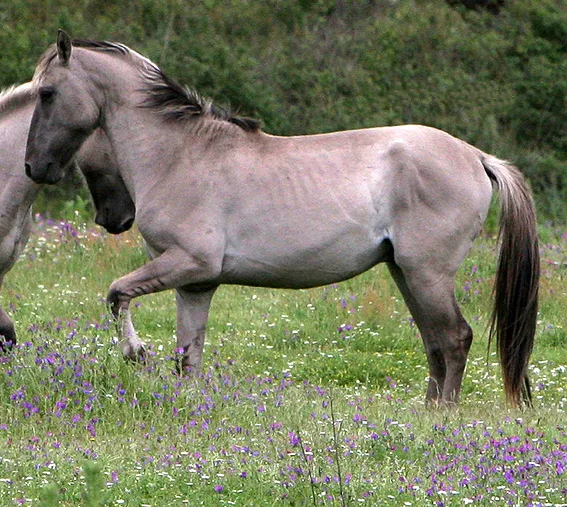
Photo: Selona Photo by Hardy Oelke and used with his permission · CC BY 3.0 · Wikimedia Commons
Horse breed
Sorraia
The Sorraia is a primitive horse breed from the Ribatejo region of Portugal, named after the Sorraia River. Its lineage is traced to the feral and semi-feral herds that roamed the Iberian floodplains, and it was kept for centuries by herdsmen who worked cattle on the open marshes. Its ancient type, dun coloring, and striping show a strong link to the horses depicted in prehistoric cave art.
Sorraias are known for being alert, hardy, and surprisingly independent. They move with a quick, light gait and often prefer to think a request through before answering it. For an owner, they can be rewarding partners on trail rides and in groundwork, though they are not usually recommended for complete beginners because they tend to be wary and self-directed. Patient, consistent handling produces a loyal horse that stays calm under pressure.
Day to day, a Sorraia needs room to move, regular turnout, and steady work that keeps its mind engaged. Its thrifty build means it does best with forage-based care and a stable companion, since it is happiest in a herd and can become anxious when isolated.
Good for: Experienced owners, trail riders, natural horsemanship
| Size | small |
| Weight | 772–948 lb |
| Height | 54–59 in |
| Life span | 25–30 years |
| Exercise | about 60 min a day |
| Shedding | moderate |
| Origin | Portugal |
Sorraias are independent and cautious, so a first-time owner should expect a slower, more deliberate partnership.
Living with a Sorraia
Exercise
A healthy adult Sorraia typically benefits from about an hour of ridden or in-hand work most days, plus ample turnout. Too little activity can leave them restless and prone to weight gain, while too much pressure without rest can cause frustration.
Grooming
Sorraias have a short, dense coat, usually dun with primitive markings, and they need only regular brushing. Their manes and tails are typically full but not excessively long. Keep hooves trimmed or shod on a regular schedule, and clipping is rarely needed.
At home
Sorraias do best with generous turnout on pasture or paddocks where they can graze and move freely, and they handle stabling less comfortably than many domestic breeds. They are hardy and well adapted to variable weather. Keep them with at least one companion, as they form strong bonds and can be stressed when alone. Most are easy keepers, so monitor body condition on rich grass and provide measured hay and mineral support.
Training
Sorraias learn best through patient, consistent work with a clear purpose, and they respond poorly to harsh or rushed methods. They excel at trail riding, natural horsemanship, and endurance-style work that suits their hardy build. Expect a green Sorraia to take time to trust a rider and to be cautious at first; progress is steady once confidence is earned.
Health
Sorraias are generally considered hardy, but owners should be aware of metabolic concerns common to easy keepers, such as laminitis, especially on rich pasture. Ask a veterinarian about breed-specific screening and an appropriate feeding and weight plan for your horse.
- Laminitis
- Obesity
- Colic
Known tendencies, not a diagnosis: ask your vet about this breed.
The numbers for a Sorraia
Forage and water, adult
13–22 lb of hay a day
Forage at 1.5–2.5% of body weight at 772–948 lb, and 8–14 gallons of water, more in heat and on hay alone. Grain only for the work being done.
What a year costs
$2,750–$4,750
Hay about $1,533, plus farrier every 6–8 weeks, routine vet, dental and dewormer. Board, lessons and showing on top; US averages.
Weather
Watch above 80°F, stop at 90°F
Blanket or shelter below 10°F. Horses mind heat more than cold: with shelter and water most are fine to about 10°F unclipped, and above a heat index of 150 (air °F + humidity %) ride early or not at all.
Where a Sorraia is comfortable
Easy most of the year: Alabama, Alaska, Arkansas, California, Colorado, Connecticut, Delaware, Florida, Georgia, Hawaii, Idaho, Illinois, Indiana, Iowa, Kansas, Kentucky, Louisiana, Maine, Maryland, Massachusetts, Michigan, Minnesota, Mississippi, Missouri, Montana, Nebraska, New Hampshire, New Jersey, New Mexico, New York, North Carolina, Ohio, Oregon, Pennsylvania, Rhode Island, South Carolina, South Dakota, Tennessee, Vermont, Virginia, Washington, Washington, DC, West Virginia, Wisconsin, Wyoming.
Summer needs care (early rides, shade, fans): Arizona, Nevada, Oklahoma, Texas, Utah.
Winter needs care (blanket, shelter, water that is not frozen): North Dakota.
From typical July highs and January lows by state and this breed's heat and cold limits. Shade, shelter and water change everything; this is about turnout and work.
Right now
Latest feed recalls
Multiple Brand Names: Chicken Feed, Swine Feed, Cattle Feed, Horse Feed
ADM Animal Nutrition · Apr 1 · Specific lots may contain elevated levels of calcium, phosphorus, magnesium, sodium and/or chloride and may harm chickens, swine, beef cattle and equine.
Rescue a Sorraia
Shelters and breed rescues list Sorraias and Sorraia mixes every week. Search adoptable Sorraias on Petfinder → New to the breed? The first-horse kit →
Is a Sorraia right for you?
- Yes if you enjoy a thoughtful, self-directed partner.
- Yes if you want a hardy horse for trail and endurance work.
- Yes if you can provide turnout and a stable companion.
- Think twice if you are a complete beginner seeking an easy ride.
- Think twice if you need a horse that is quick to trust strangers.
Questions owners ask
Is the Sorraia good for beginners?
Generally no. Sorraias are wary and independent, so they suit experienced or patient owners better than first-time riders seeking an easy mount.
How much does a Sorraia cost?
Prices vary widely by breeding, pedigree, and region. Rare primitive breeds often cost more than common ones, so check with breeders and registries for current figures.
How tall do Sorraias get?
Adult Sorraias typically stand about 138 to 150 centimetres at the withers, which is roughly 13.2 to 14.3 hands.
How long do Sorraias live?
With good care, Sorraias often live into their mid to late twenties, similar to many hardy native breeds.
What are Sorraias used for?
They are used for trail riding, endurance, natural horsemanship, and as companions, and they are valued for their primitive type and hardiness.
Similar breeds
Written by Hoofdeck editors · updated Nov 13, 2026 · facts from Wikidata and Wikimedia Commons; health notes are general veterinary guidance, not a diagnosis.