
Horse breeds / Manipuri pony
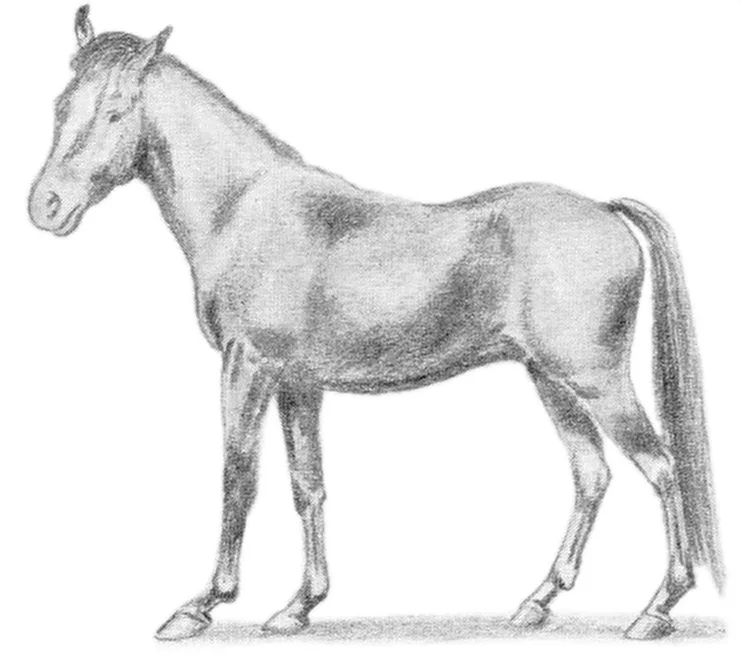
Photo: Unknown author · Public domain · Wikimedia Commons
Horse breed
Manipuri pony
The Manipuri, also called the Manipuri pony, comes from the Manipur region in northeastern India, where it has long been part of local life. It was bred as a hardy, nimble pony for polo, the sport that is closely associated with Manipur and was played there for centuries before it spread to the wider world. Its compact build and quick turns made it well suited to fast, close-quarters play.
Manipuris are known for being bold, alert and willing, with a lively but generally manageable temperament. They have a free, active way of going and a lot of athletic ability for their size, which can make them fun to ride. Because they are spirited and quick to respond, they suit riders with some experience better than total beginners, though a calm, steady pony can be a good first mount for an adult who is patient and consistent.
Day to day, a Manipuri needs regular work to stay happy and fit, along with turnout that lets it move freely. Like most ponies it does best with company, so keeping it with another horse or pony is a good idea. Consistent handling and a predictable routine help it settle and build trust.
Good for: Experienced riders, polo, trail riding
| Size | small |
| Weight | 661–882 lb |
| Height | 47–55 in |
| Life span | 25–30 years |
| Exercise | about 45 min a day |
| Shedding | moderate |
| Origin | India |
Choose a steady, well-handled Manipuri with a known history, since their spirited nature rewards experienced handling.
Living with a Manipuri pony
Exercise
A healthy adult Manipuri typically needs regular ridden or in-hand work most days, plus daily turnout to move freely. Too little exercise can lead to excess energy, weight gain and behavioral issues such as impatience or restlessness under saddle.
Grooming
Manipuris have a fine, short coat that needs regular brushing to stay clean and shiny. Their manes and tails are typically left natural. Hooves need routine trimming or shoeing every four to eight weeks, and clipping is generally needed only if the pony is worked hard in winter.
At home
Manipuris are hardy and adapt well to a range of climates, so they can live outdoors with shelter and access to forage. Daily turnout with a companion is ideal, and they do not need elaborate stabling. Most are easy keepers, so good pasture and modest feed usually meet their needs, but monitor body condition closely to avoid weight gain.
Training
Manipuris are quick learners and respond well to clear, consistent training. They are often used for trail riding, performance work and, given their history, polo. Expect a green Manipuri to be forward and energetic, so early groundwork and patience pay off as they settle into steady, reliable work.
Health
Like many pony breeds, Manipuris can be prone to metabolic conditions, and laminitis is a concern for easy keepers on rich grass. Ask a veterinarian about the health history of any Manipuri you are considering and about a suitable diet and hoof care plan.
- Laminitis
- Metabolic issues
- Colic
Known tendencies, not a diagnosis: ask your vet about this breed.
The numbers for a Manipuri pony
Forage and water, adult
12–19 lb of hay a day
Forage at 1.5–2.5% of body weight at 661–882 lb, and 7–12 gallons of water, more in heat and on hay alone. Grain only for the work being done.
What a year costs
$2,550–$4,500
Hay about $1,358, plus farrier every 6–8 weeks, routine vet, dental and dewormer. Board, lessons and showing on top; US averages.
Weather
Watch above 80°F, stop at 90°F
Blanket or shelter below 10°F. Horses mind heat more than cold: with shelter and water most are fine to about 10°F unclipped, and above a heat index of 150 (air °F + humidity %) ride early or not at all.
Where a Manipuri pony is comfortable
Easy most of the year: Alabama, Alaska, Arkansas, California, Colorado, Connecticut, Delaware, Florida, Georgia, Hawaii, Idaho, Illinois, Indiana, Iowa, Kansas, Kentucky, Louisiana, Maine, Maryland, Massachusetts, Michigan, Minnesota, Mississippi, Missouri, Montana, Nebraska, New Hampshire, New Jersey, New Mexico, New York, North Carolina, Ohio, Oregon, Pennsylvania, Rhode Island, South Carolina, South Dakota, Tennessee, Vermont, Virginia, Washington, Washington, DC, West Virginia, Wisconsin, Wyoming.
Summer needs care (early rides, shade, fans): Arizona, Nevada, Oklahoma, Texas, Utah.
Winter needs care (blanket, shelter, water that is not frozen): North Dakota.
From typical July highs and January lows by state and this breed's heat and cold limits. Shade, shelter and water change everything; this is about turnout and work.
Right now
Latest feed recalls
Multiple Brand Names: Chicken Feed, Swine Feed, Cattle Feed, Horse Feed
ADM Animal Nutrition · Apr 1 · Specific lots may contain elevated levels of calcium, phosphorus, magnesium, sodium and/or chloride and may harm chickens, swine, beef cattle and equine.
Rescue a Manipuri pony
Shelters and breed rescues list Manipuri ponys and Manipuri pony mixes every week. Search adoptable Manipuri ponys on Petfinder → New to the breed? The first-horse kit →
Is a Manipuri pony right for you?
- Yes if you want a spirited, athletic pony for performance work.
- Yes if you enjoy fast, responsive riding and quick turns.
- Yes if you can provide daily turnout with a companion.
- Think twice if you want a very calm, low-energy first pony.
- Think twice if you cannot manage an easy keeper's diet.
Questions owners ask
Are Manipuri ponies good for beginners?
They are better suited to riders with some experience because they are spirited and quick to respond. A calm, well-trained individual can work for an adult beginner who has guidance.
How much does a Manipuri pony cost?
Prices vary widely depending on age, training, bloodlines and location. Rare breeds can be harder to find, so check with breeders and registries for current market prices.
How tall do Manipuri ponies get?
Adult Manipuris typically stand about 120 to 140 centimetres at the withers, roughly 12 to 14 hands, though individuals can vary.
How long do Manipuri ponies live?
With good care, Manipuris commonly live into their mid-twenties or beyond. Regular veterinary and hoof care supports a long, healthy life.
Are Manipuri ponies easy keepers?
Many are easy keepers that gain weight readily on good pasture. Monitor body condition and limit rich grass to help prevent metabolic problems.
Similar breeds
Written by Hoofdeck editors · updated Nov 13, 2026 · facts from Wikidata and Wikimedia Commons; health notes are general veterinary guidance, not a diagnosis.