
Horse breeds / Icelandic horse
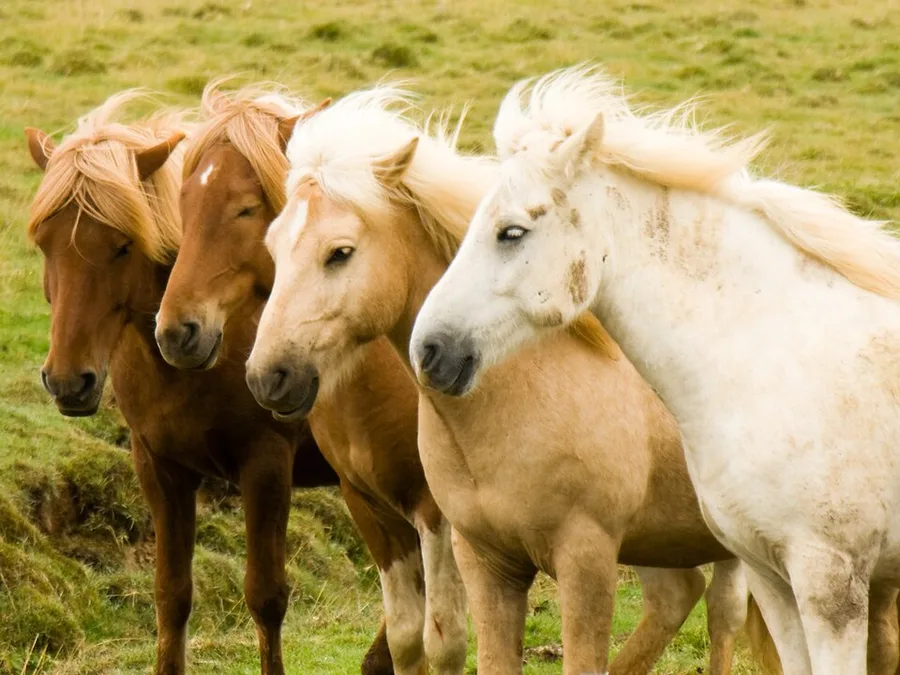
Photo: David Blaikie from Hampshire, UK · CC BY 2.0 · Wikimedia Commons
Horse breed
Icelandic horse
The Icelandic horse descends from ponies brought to Iceland by settlers more than a thousand years ago, and the breed has been kept in isolation there ever since. Iceland has long banned the import of horses, so the population has stayed genetically distinct. Bred for farm work, travel across rough terrain and everyday riding, the breed is known for its sturdiness and its unusual gaits.
Icelandics are famous for the tölt, a smooth four-beat gait that lets a rider cover ground comfortably, along with the flying pace, which is unique to the breed. Most are friendly, curious and willing, and many suit beginners and confident riders alike. Their compact size and calm, sensible nature make them easy to handle, though individuals vary, as with any horse.
Day to day, Icelandics do best with regular turnout, time to graze and steady, varied work. They are social animals that need equine companionship, and they handle cold weather well thanks to their thick winter coat. Consistent routines and plenty of time outdoors keep them happy and settled.
Good for: First-time owners, trail riders, gaited riding enthusiasts
| Size | small |
| Weight | 661–882 lb |
| Height | 50–56 in |
| Life span | 25–30 years |
| Exercise | about 60 min a day |
| Shedding | heavy |
| Origin | Iceland |
Icelandics are easy to handle but tend to gain weight, so careful management of grass and feed is essential.
Living with a Icelandic horse
Exercise
Most Icelandics need daily movement, ideally a mix of riding, turnout and free time to graze. Regular work keeps them fit and content. With too little exercise they can become overweight, bored or fidgety under saddle.
Grooming
Icelandics grow a dense double coat that thickens dramatically in winter and sheds heavily in spring. Their long, full manes and tails are typically left natural and need regular detangling. Hooves should be trimmed or shod regularly, and clipping is rarely needed.
At home
Icelandics are hardy and do well outdoors year-round with shelter from wind and wet, and many owners keep them in herds with good turnout. They tolerate Nordic winters easily and often need less stabling than larger breeds. Most are easy keepers, so grass and a modest amount of hay usually suffice, though weight should be monitored closely.
Training
Icelandics are intelligent and generally eager to please, learning quickly when training is consistent and kind. They excel at trail riding and the gaited tölt, and many also compete in gaited classes and pleasure disciplines. A green horse of this breed is often forward-thinking and sensible, but may need patient handling to build confidence and steady gaits.
Health
Icelandics are generally robust, but the breed is known for a tendency toward weight gain and metabolic concerns in some individuals. Ask your veterinarian about body condition, diet and hoof health for your particular horse. Your vet can advise on a suitable management plan.
- Obesity
- Laminitis
- Colic
Known tendencies, not a diagnosis: ask your vet about this breed.
The numbers for a Icelandic horse
Forage and water, adult
12–19 lb of hay a day
Forage at 1.5–2.5% of body weight at 661–882 lb, and 7–12 gallons of water, more in heat and on hay alone. Grain only for the work being done.
What a year costs
$2,550–$4,500
Hay about $1,358, plus farrier every 6–8 weeks, routine vet, dental and dewormer. Board, lessons and showing on top; US averages.
Weather
Watch above 75°F, stop at 85°F
Blanket or shelter below 0°F. A heavy coat and a big body hold heat: this type copes with real cold and struggles first in humid summer heat; clip and shade before you blanket.
Where a Icelandic horse is comfortable
Easy most of the year: Alaska, California, Connecticut, Delaware, Illinois, Indiana, Iowa, Kentucky, Maine, Massachusetts, Michigan, Minnesota, Montana, New Hampshire, New Jersey, New York, North Dakota, Ohio, Oregon, Pennsylvania, Rhode Island, South Dakota, Vermont, Washington, West Virginia, Wisconsin, Wyoming.
Summer needs care (early rides, shade, fans): Alabama, Arizona, Arkansas, Colorado, Florida, Georgia, Hawaii, Idaho, Kansas, Louisiana, Maryland, Mississippi, Missouri, Nebraska, Nevada, New Mexico, North Carolina, Oklahoma, South Carolina, Tennessee, Texas, Utah, Virginia, Washington, DC.
From typical July highs and January lows by state and this breed's heat and cold limits. Shade, shelter and water change everything; this is about turnout and work.
Right now
Latest feed recalls
Multiple Brand Names: Chicken Feed, Swine Feed, Cattle Feed, Horse Feed
ADM Animal Nutrition · Apr 1 · Specific lots may contain elevated levels of calcium, phosphorus, magnesium, sodium and/or chloride and may harm chickens, swine, beef cattle and equine.
Rescue a Icelandic horse
Shelters and breed rescues list Icelandic horses and Icelandic horse mixes every week. Search adoptable Icelandic horses on Petfinder → New to the breed? The first-horse kit →
Is a Icelandic horse right for you?
- Yes if you want a sturdy, friendly horse for trail riding
- Yes if you value a smooth, comfortable gait like the tölt
- Yes if your climate is cold and you can keep the horse outdoors
- Think twice if you have a hard-to-keep budget for feed
- Think twice if you need a large horse for heavy work
Questions owners ask
Is the Icelandic horse good for beginners?
Yes, many Icelandics are friendly, sensible and sure-footed, which makes them well suited to first-time riders. Individual temperament still varies, so an experienced evaluation helps.
How much does an Icelandic horse cost?
Prices vary widely by age, training, pedigree and region. Young or unbroke horses are usually less expensive, while trained and gaited horses cost considerably more.
How tall is an Icelandic horse?
Icelandics typically stand around 128 to 142 centimetres at the withers, roughly 12.5 to 14 hands. They are small but strong, and often carry adult riders comfortably.
How long do Icelandic horses live?
They commonly live 25 to 30 years with good care. Many remain active and useful well into their later years.
Is the Icelandic horse an easy keeper?
Yes, most are easy keepers that gain weight readily on rich pasture. Owners should monitor body condition and limit grass when needed.
Similar breeds
Written by Hoofdeck editors · updated Nov 13, 2026 · facts from Wikidata and Wikimedia Commons; health notes are general veterinary guidance, not a diagnosis.