
Horse breeds / Dutch Miniature
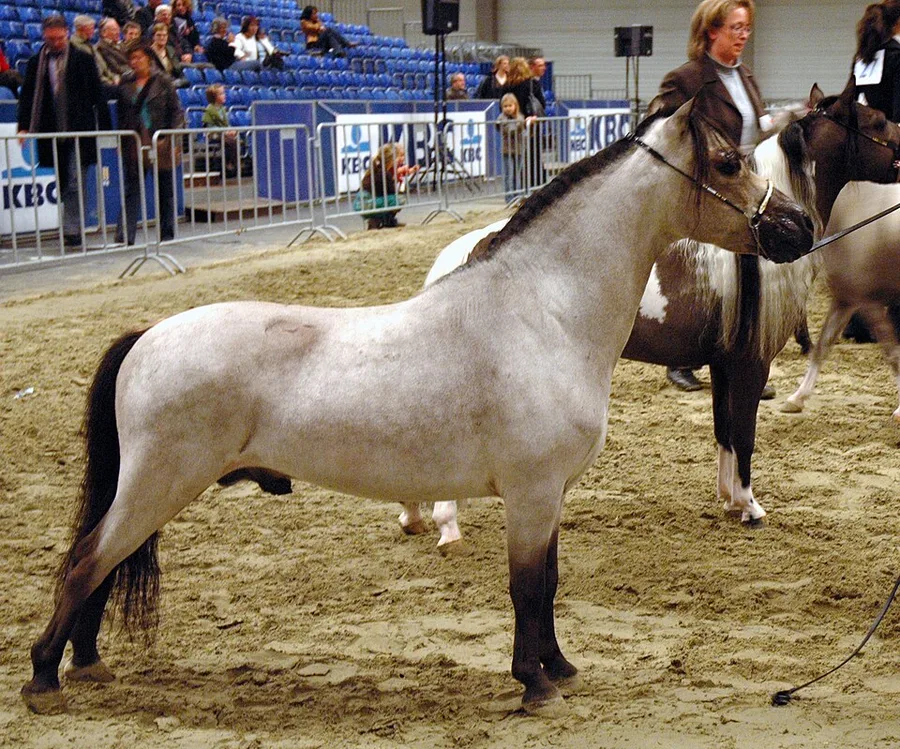
Photo: agriflanders · CC BY 2.0 · Wikimedia Commons
Horse breed
Dutch Miniature
The Dutch Miniature is a small horse developed in the Netherlands, where breeders produced it as a companion and a show animal rather than a working horse. Its origins are tied to Dutch interest in miniature horses, and it was bred to keep the proportions of a full-sized horse at a much smaller scale. It is primarily valued for its good looks and its suitability as a pet and show animal.
As an owner, you can expect a people-oriented horse with a curious, friendly personality. Most individuals are calm and willing to be handled, which makes them approachable for children and adults with little riding background. Because of their size, they are generally not ridden by adults, so their role is mostly as a companion, in-hand show animal, or driving pony in some cases.
Day to day, the Dutch Miniature needs regular grooming, hoof care, and a diet that is carefully managed to avoid weight gain. They do best with daily contact, gentle training, and turnout with a companion animal, since isolation can lead to boredom and stress.
Good for: Companion owners, show handlers, families with supervision
| Size | small |
| Weight | 265–441 lb |
| Height | 31–35 in |
| Life span | 25–35 years |
| Exercise | about 45 min a day |
| Shedding | moderate |
| Origin | Netherlands |
Miniature horses need careful diet management and daily attention, so plan feed and turnout before bringing one home.
Living with a Dutch Miniature
Exercise
A healthy adult typically needs daily turnout and light in-hand work or walking for about 30 to 60 minutes. Too little movement, combined with rich feed, can lead to weight gain and laminitis risk.
Grooming
The coat is short to medium and needs regular brushing, with more attention during seasonal shedding. Mane and tail should be kept neat and detangled. Hooves need trimming or farrier care every 6 to 8 weeks, and clipping is rarely needed unless the horse is shown.
At home
Dutch Miniatures do well with daily turnout on a dry, safe paddock with shelter from wind, rain, and summer heat. They tolerate cold reasonably well when they have a thick coat and access to a run-in. They are generally happiest in a small group or with a buddy, though they can adapt to living alone with plenty of human contact. Because they are often easy keepers, pasture and hay must be limited to prevent obesity.
Training
Dutch Miniatures are quick to learn when training is kept short, positive, and consistent. They are often trained for in-hand showing, leading, basic manners, and sometimes driving. A green Dutch Miniature will be curious and eager to please but may test boundaries, so patience and clear routines help. They are not typically used for riding, so training goals focus on handling and presentation.
Health
Dutch Miniatures can be prone to conditions common in small horses, particularly those tied to weight and metabolism. Laminitis is a concern if diet is not managed well. Ask a veterinarian about breed-specific screening and a feeding plan suited to your individual horse.
- Laminitis
- Obesity
- Dental problems
Known tendencies, not a diagnosis: ask your vet about this breed.
The numbers for a Dutch Miniature
Forage and water, adult
5–9 lb of hay a day
Forage at 1.5–2.5% of body weight at 265–441 lb, and 3–6 gallons of water, more in heat and on hay alone. Grain only for the work being done.
What a year costs
$1,800–$3,450
Hay about $613, plus farrier every 6–8 weeks, routine vet, dental and dewormer. Board, lessons and showing on top; US averages.
Weather
Watch above 80°F, stop at 90°F
Blanket or shelter below 10°F. Horses mind heat more than cold: with shelter and water most are fine to about 10°F unclipped, and above a heat index of 150 (air °F + humidity %) ride early or not at all.
Where a Dutch Miniature is comfortable
Easy most of the year: Alabama, Alaska, Arkansas, California, Colorado, Connecticut, Delaware, Florida, Georgia, Hawaii, Idaho, Illinois, Indiana, Iowa, Kansas, Kentucky, Louisiana, Maine, Maryland, Massachusetts, Michigan, Minnesota, Mississippi, Missouri, Montana, Nebraska, New Hampshire, New Jersey, New Mexico, New York, North Carolina, Ohio, Oregon, Pennsylvania, Rhode Island, South Carolina, South Dakota, Tennessee, Vermont, Virginia, Washington, Washington, DC, West Virginia, Wisconsin, Wyoming.
Summer needs care (early rides, shade, fans): Arizona, Nevada, Oklahoma, Texas, Utah.
Winter needs care (blanket, shelter, water that is not frozen): North Dakota.
From typical July highs and January lows by state and this breed's heat and cold limits. Shade, shelter and water change everything; this is about turnout and work.
Right now
Latest feed recalls
Multiple Brand Names: Chicken Feed, Swine Feed, Cattle Feed, Horse Feed
ADM Animal Nutrition · Apr 1 · Specific lots may contain elevated levels of calcium, phosphorus, magnesium, sodium and/or chloride and may harm chickens, swine, beef cattle and equine.
Rescue a Dutch Miniature
Shelters and breed rescues list Dutch Miniatures and Dutch Miniature mixes every week. Search adoptable Dutch Miniatures on Petfinder → New to the breed? The first-horse kit →
Is a Dutch Miniature right for you?
- Yes if you want a friendly companion you can handle daily.
- Yes if you enjoy in-hand showing or leading competitions.
- Yes if you can manage a strict diet and limited pasture.
- Think twice if you want to ride an adult regularly.
- Think twice if you cannot provide a buddy or daily attention.
Questions owners ask
Is the Dutch Miniature good for beginners?
Yes, for handling and companionship. Their gentle nature suits beginners, but they are not typically ridden, so riding goals need a different breed.
How much does a Dutch Miniature cost?
Prices vary widely by bloodline, color, and show record. Expect a range that depends on breeder reputation and the horse's pedigree and training.
How tall do Dutch Miniatures get?
Adults typically stand around 80 to 90 centimeters at the withers, which is well under the height of a standard pony.
How long do Dutch Miniatures live?
With good care, many live into their mid-twenties or thirties. Diet, dental care, and weight control play a big role in longevity.
Are Dutch Miniatures easy keepers?
They are often easy keepers, meaning they gain weight readily on pasture. Careful feeding and limited grazing help prevent obesity and related problems.
Similar breeds
Written by Hoofdeck editors · updated Nov 13, 2026 · facts from Wikidata and Wikimedia Commons; health notes are general veterinary guidance, not a diagnosis.