
Horse breeds / Dartmoor Pony
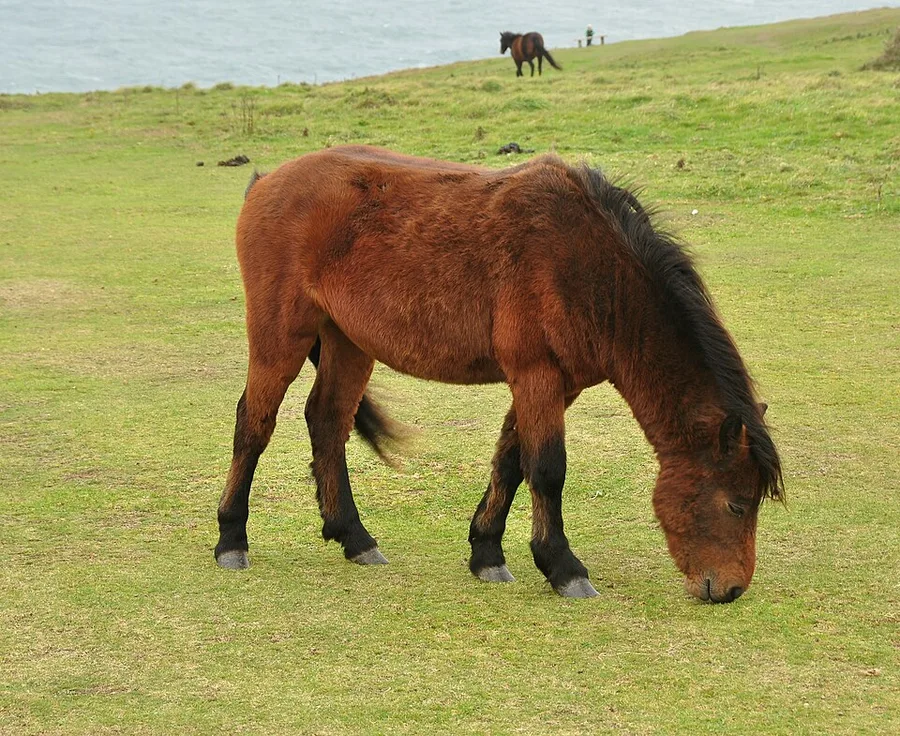
Photo: Nilfanion · CC BY-SA 3.0 · Wikimedia Commons
Horse breed
Dartmoor Pony
The Dartmoor is one of the native ponies of England, developed on the Dartmoor moorland of Devon, where it lived semi-wild for centuries. Its ancestry is ancient and tied to the hardy native stock that roamed British uplands. Historically it was used as a pack and light draft pony for moor farmers, and later for work in mines and on small holdings.
Dartmoors are known for being intelligent, friendly and people-oriented, with a calm and curious nature that suits children and nervous first-time riders well. They are small but sturdy, with a neat, sure-footed way of going and a surprising amount of stamina. Many riders use them for pony club activities, gymkhana, driving and trail riding, and they often enjoy the company of their handlers.
Day to day, a Dartmoor needs turnout on grass, regular handling and a steady routine. They are happiest with a herdmate and do not cope well with long periods of isolation. Their thick winter coats mean they handle cold weather well, but they still need shelter from wind and rain.
Good for: First-time owners, children, pony club riders
| Size | small |
| Weight | 441–573 lb |
| Height | 42–48 in |
| Life span | 25–30 years |
| Exercise | about 45 min a day |
| Shedding | moderate |
| Origin | England |
Dartmoors are easy keepers, so manage grass intake carefully to prevent weight gain and laminitis.
Living with a Dartmoor Pony
Exercise
A healthy adult Dartmoor typically needs regular ridden or in-hand work several days a week, plus daily turnout to graze and move. With too little work they can become overweight and bored, which may lead to behavioural issues. Steady, varied schooling keeps them fit and content.
Grooming
The Dartmoor has a dense winter coat that sheds moderately in spring. Mane and tail are usually left natural or lightly trimmed. Feathers are minimal. Hooves need regular trimming or shoeing every six to eight weeks. Clipping is optional and mostly needed for horses in hard work during winter.
At home
Dartmoors do best with year-round turnout and a field shelter rather than full stabling. They are very hardy and handle cold, wet British weather with ease. They should live with at least one companion. They are easy keepers, so good grass plus a small amount of forage is often enough, and rich grass should be managed carefully to avoid weight gain.
Training
Dartmoors learn quickly and are eager to please, though they can be independent-minded and will test a rider if given the chance. They excel at pony club work, trail riding, driving and gymkhana events. Expect a green Dartmoor to be bold and capable, but to need consistent, patient handling and firm, fair boundaries from the start.
Health
Dartmoors are generally hardy, but as with many pony breeds they can be prone to laminitis, especially when overweight or on lush grass. Ask a vet about a suitable weight and diet plan, and check the breed's known conditions with them before purchase.
- Laminitis
- Obesity
- Lameness
Known tendencies, not a diagnosis: ask your vet about this breed.
The numbers for a Dartmoor Pony
Forage and water, adult
8–13 lb of hay a day
Forage at 1.5–2.5% of body weight at 441–573 lb, and 5–8 gallons of water, more in heat and on hay alone. Grain only for the work being done.
What a year costs
$2,100–$3,900
Hay about $920, plus farrier every 6–8 weeks, routine vet, dental and dewormer. Board, lessons and showing on top; US averages.
Weather
Watch above 80°F, stop at 90°F
Blanket or shelter below 10°F. Horses mind heat more than cold: with shelter and water most are fine to about 10°F unclipped, and above a heat index of 150 (air °F + humidity %) ride early or not at all.
Where a Dartmoor Pony is comfortable
Easy most of the year: Alabama, Alaska, Arkansas, California, Colorado, Connecticut, Delaware, Florida, Georgia, Hawaii, Idaho, Illinois, Indiana, Iowa, Kansas, Kentucky, Louisiana, Maine, Maryland, Massachusetts, Michigan, Minnesota, Mississippi, Missouri, Montana, Nebraska, New Hampshire, New Jersey, New Mexico, New York, North Carolina, Ohio, Oregon, Pennsylvania, Rhode Island, South Carolina, South Dakota, Tennessee, Vermont, Virginia, Washington, Washington, DC, West Virginia, Wisconsin, Wyoming.
Summer needs care (early rides, shade, fans): Arizona, Nevada, Oklahoma, Texas, Utah.
Winter needs care (blanket, shelter, water that is not frozen): North Dakota.
From typical July highs and January lows by state and this breed's heat and cold limits. Shade, shelter and water change everything; this is about turnout and work.
Right now
Latest feed recalls
Multiple Brand Names: Chicken Feed, Swine Feed, Cattle Feed, Horse Feed
ADM Animal Nutrition · Apr 1 · Specific lots may contain elevated levels of calcium, phosphorus, magnesium, sodium and/or chloride and may harm chickens, swine, beef cattle and equine.
Rescue a Dartmoor Pony
Shelters and breed rescues list Dartmoor Ponys and Dartmoor Pony mixes every week. Search adoptable Dartmoor Ponys on Petfinder → New to the breed? The first-horse kit →
Is a Dartmoor Pony right for you?
- Yes if you want a hardy pony for year-round turnout
- Yes if you ride or drive with children
- Yes if you enjoy trail riding on varied terrain
- Think twice if you want a pony for a small paddock with little grazing
- Think twice if you need a horse for heavy competitive dressage
Questions owners ask
Are Dartmoor ponies good for beginners?
Yes. They are generally calm, friendly and intelligent, which makes them a good choice for children and nervous first-time riders when handled consistently.
How much does a Dartmoor pony cost?
Prices vary widely by age, training and bloodline. Purchase price can range considerably, so it is best to check with reputable breeders and local sellers in your area.
How tall is a Dartmoor pony?
Dartmoors typically stand about 107 to 122 centimetres at the withers, which is roughly 10.2 to 12 hands.
How long do Dartmoor ponies live?
With good care, Dartmoors often live into their mid to late twenties or beyond. Diet, weight and hoof care play a large role in longevity.
Are Dartmoor ponies easy keepers?
Yes, they are known as easy keepers and can gain weight quickly on rich grass, so feed and grazing should be monitored closely.
Similar breeds
Written by Hoofdeck editors · updated Nov 13, 2026 · facts from Wikidata and Wikimedia Commons; health notes are general veterinary guidance, not a diagnosis.