
Horse breeds / Cerbat Mustang
Horse breed
Cerbat Mustang
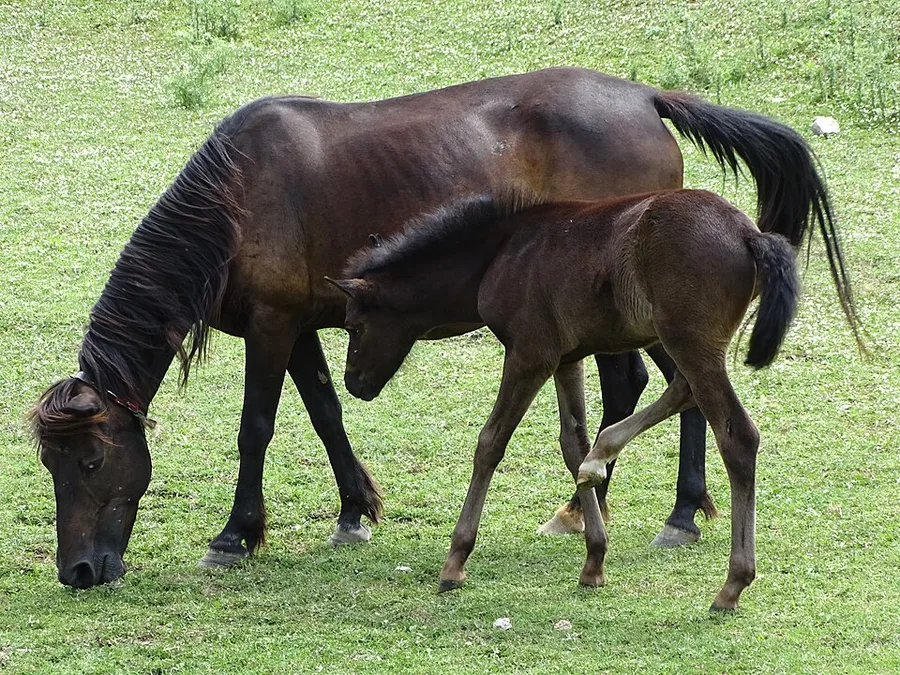
The Cerbat Mustang descends from feral and domestic horses that roamed the Cerbat Mountains of northwestern Arizona and surrounding areas, with ancestry tied to Spanish colonial horses and later stock brought west by settlers and miners. Bred largely by necessity rather than deliberate design, these horses were used as working ranch and utility horses across the rugged high desert. Their history is shaped by survival in harsh country, which is why they are often described as hardy and practical.
Cerbat Mustangs are generally known as sturdy, sure-footed horses with a calm, willing disposition. They tend to be steady under saddle and well suited to trail riding and light ranch work, though their suitability for beginners depends on the individual horse's training and temperament. Many have a comfortable, ground-covering gait, but exact movement varies widely from horse to horse.
Day to day, a Cerbat Mustang needs regular movement, reliable feed and water, and sound hoof care. Like other horses, they do best with companionship and benefit from consistent handling and routine. Owners should expect a horse that thrives on purposeful work and daily attention rather than one that stays idle.
Good for: Trail riders, ranch work, experienced hobbyists
| Size | small |
| Weight | 882–1102 lb |
| Height | 56–60 in |
| Life span | 25–30 years |
| Exercise | about 45 min a day |
| Shedding | moderate |
| Origin | United States |
Find a horse with proven ground manners and a trustworthy background, since individual temperament varies widely within the breed.
Living with a Cerbat Mustang
Exercise
Most healthy adults benefit from daily movement, including ridden work several times a week and turnout for free exercise. Too little activity can lead to weight gain, boredom, and behavioral issues, and may increase the risk of metabolic problems in some horses.
Grooming
Cerbat Mustangs usually have a thick winter coat that sheds in spring, and their mane and tail are often full and natural. Regular brushing and hoof care every four to six weeks are standard. Clipping is generally needed only for horses in heavy work or in certain climates.
At home
Cerbat Mustangs are generally hardy and adapt well to a range of climates, including dry, rugged terrain. Many do well with turnout and access to shelter, though stabling needs depend on your local weather and setup. They are social animals and should live with at least one companion. Feed needs vary by individual; many are moderate keepers, so monitor body condition closely and consult your vet or equine nutritionist.
Training
Cerbat Mustangs typically learn through patience and consistent, low-pressure handling, and many are willing partners once they trust their rider. They are generally suited to trail riding, ranch work, and general riding. A green horse of this type may need time to build confidence and steadiness, so expect gradual progress rather than rapid results.
Health
Like many horses, Cerbat Mustangs can be prone to general conditions such as laminitis, especially if overweight or on rich pasture. Breed-specific health data is limited, so ask your veterinarian about screening and preventive care suited to your individual horse.
- Laminitis
- Colic
- Metabolic issues
Known tendencies, not a diagnosis: ask your vet about this breed.
The numbers for a Cerbat Mustang
Forage and water, adult
15–25 lb of hay a day
Forage at 1.5–2.5% of body weight at 882–1102 lb, and 9–16 gallons of water, more in heat and on hay alone. Grain only for the work being done.
What a year costs
$2,950–$5,050
Hay about $1,752, plus farrier every 6–8 weeks, routine vet, dental and dewormer. Board, lessons and showing on top; US averages.
Weather
Watch above 85°F, stop at 95°F
Blanket or shelter below 20°F. Bred for heat: fine working in warm weather with water and salt, but a thin coat and skin want a blanket and shelter below about 20°F.
Where a Cerbat Mustang is comfortable
Easy most of the year: Alabama, Arkansas, California, Colorado, Connecticut, Delaware, Florida, Georgia, Hawaii, Idaho, Illinois, Indiana, Iowa, Kansas, Kentucky, Louisiana, Maine, Maryland, Massachusetts, Michigan, Mississippi, Missouri, Montana, Nebraska, New Hampshire, New Jersey, New Mexico, New York, North Carolina, Ohio, Oklahoma, Oregon, Pennsylvania, Rhode Island, South Carolina, Tennessee, Texas, Utah, Virginia, Washington, Washington, DC, West Virginia, Wyoming.
Summer needs care (early rides, shade, fans): Arizona, Nevada.
Winter needs care (blanket, shelter, water that is not frozen): Alaska, Minnesota, North Dakota, South Dakota, Vermont, Wisconsin.
From typical July highs and January lows by state and this breed's heat and cold limits. Shade, shelter and water change everything; this is about turnout and work.
Right now
Latest feed recalls
Multiple Brand Names: Chicken Feed, Swine Feed, Cattle Feed, Horse Feed
ADM Animal Nutrition · Apr 1 · Specific lots may contain elevated levels of calcium, phosphorus, magnesium, sodium and/or chloride and may harm chickens, swine, beef cattle and equine.
Rescue a Cerbat Mustang
Shelters and breed rescues list Cerbat Mustangs and Cerbat Mustang mixes every week. Search adoptable Cerbat Mustangs on Petfinder → New to the breed? The first-horse kit →
Is a Cerbat Mustang right for you?
- Yes if you want a hardy, low-fuss trail horse
- Yes if you enjoy natural, practical horsemanship
- Think twice if you want a highly refined show horse
- Think twice if you can't provide daily movement
- Yes if you value steady temperament over flashy performance
Questions owners ask
Are Cerbat Mustangs good for beginners?
They can be, if you choose a well-started, calm individual with reliable ground manners. Have an experienced horse person evaluate any horse before purchase.
How much do Cerbat Mustangs cost?
Prices vary widely by age, training, and region. Expect a range depending on background and local market conditions.
How tall do Cerbat Mustangs get?
Adults typically stand around 14 to 15 hands at the withers, though individuals vary.
How long do Cerbat Mustangs live?
With good care, many live into their mid-to-late twenties or beyond, similar to other domestic horses.
Are Cerbat Mustangs easy keepers?
Many are moderate keepers rather than hard keepers, but feed needs vary. Monitor weight and adjust with your veterinarian's guidance.
Similar breeds

Written by Hoofdeck editors · updated Nov 13, 2026 · facts from Wikidata; health notes are general veterinary guidance, not a diagnosis.