
Horse breeds / Boulonnais
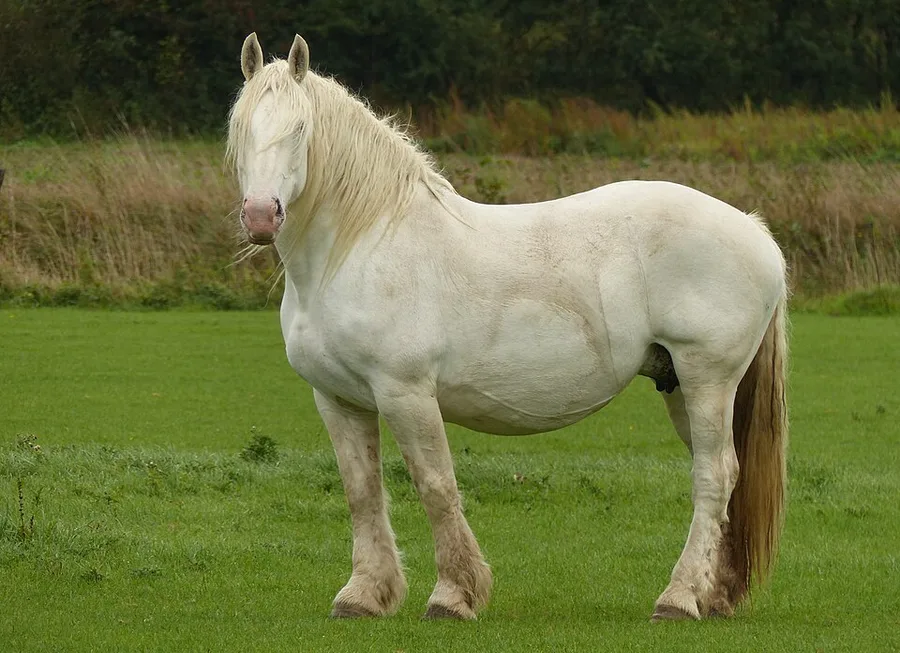
Photo: Amélie Tsaag Valren · CC BY-SA 4.0 · Wikimedia Commons
Horse breed
Boulonnais
The Boulonnais comes from the Boulonnais region of northern France, where it was developed over centuries from local heavy horses and later influenced by Flemish and Arab-related stock. It was bred as a draft and agricultural horse, pulling heavy loads and working farms, and it later served as a strong carriage and artillery horse. Its gray coat is its most recognizable feature, and the breed was nearly lost during the mechanization of farming before dedicated breeders revived it.
Owning a Boulonnais is a calm, steady experience. These are gentle, willing horses with a kind disposition and a steady, purposeful way of moving. They are large, so they suit experienced adults more than first-time riders, but their easygoing nature makes them pleasant companions for trail riding and light driving. Their movement is powerful rather than flashy, and they carry weight with ease.
Day to day, a Boulonnais needs regular turnout, consistent work, and companionship from other horses. Their size means feed, hoof care, and tack costs run higher than for average riding horses. They do best with a predictable routine, steady handling, and enough space to move freely.
Good for: Experienced riders, driving, heavy work
| Size | giant |
| Weight | 1433–1984 lb |
| Height | 63–67 in |
| Life span | 25–30 years |
| Exercise | about 45 min a day |
| Shedding | heavy |
| Origin | France |
Boulonnais are large, so budget for bigger feed, hoof, and tack costs before choosing one.
Living with a Boulonnais
Exercise
Boulonnais need daily work, ideally thirty to sixty minutes of riding, driving, or in-hand work, plus regular turnout. With too little activity they can become heavy, stiff, and prone to weight gain, which adds strain to their large frames.
Grooming
Gray Boulonnais need frequent bathing to keep their coat clean and bright, and they can be prone to sweat staining. Their manes and tails are typically full and are kept brushed to prevent tangles. Feathering is light to moderate, and hooves need regular trimming or shoeing, often with heavier-duty
At home
Boulonnais are hardy and adapt well to turnout year-round, provided they have shelter from wind and wet. They do well in a herd and become unsettled when kept alone. Most are easy keepers, so good pasture and measured hay often suffice, though big frames still need substantial daily forage and careful weight monitoring.
Training
Boulonnais are quick to learn, willing, and eager to please, with a steady mind that handles new experiences calmly. They excel at driving, trail work, and heavy draft tasks, and can also take up dressage and light jumping with patience. A green Boulonnais tends to mature slowly, so expect a long, gradual education rather than rapid progress.
Health
Boulonnais are generally sound, though their size makes them susceptible to joint and hoof stresses. Owners should ask a veterinarian about breed-specific screening, weight management, and foot health. Keep regular veterinary and farrier care in place and discuss any concerns with a professional.
- Laminitis
- Joint stress
- Hoof problems
Known tendencies, not a diagnosis: ask your vet about this breed.
The numbers for a Boulonnais
Forage and water, adult
26–43 lb of hay a day
Forage at 1.5–2.5% of body weight at 1433–1984 lb, and 15–27 gallons of water, more in heat and on hay alone. Grain only for the work being done.
What a year costs
$4,200–$6,850
Hay about $3,022, plus farrier every 6–8 weeks, routine vet, dental and dewormer. Board, lessons and showing on top; US averages.
Weather
Watch above 80°F, stop at 90°F
Blanket or shelter below 10°F. Horses mind heat more than cold: with shelter and water most are fine to about 10°F unclipped, and above a heat index of 150 (air °F + humidity %) ride early or not at all.
Where a Boulonnais is comfortable
Easy most of the year: Alabama, Alaska, Arkansas, California, Colorado, Connecticut, Delaware, Florida, Georgia, Hawaii, Idaho, Illinois, Indiana, Iowa, Kansas, Kentucky, Louisiana, Maine, Maryland, Massachusetts, Michigan, Minnesota, Mississippi, Missouri, Montana, Nebraska, New Hampshire, New Jersey, New Mexico, New York, North Carolina, Ohio, Oregon, Pennsylvania, Rhode Island, South Carolina, South Dakota, Tennessee, Vermont, Virginia, Washington, Washington, DC, West Virginia, Wisconsin, Wyoming.
Summer needs care (early rides, shade, fans): Arizona, Nevada, Oklahoma, Texas, Utah.
Winter needs care (blanket, shelter, water that is not frozen): North Dakota.
From typical July highs and January lows by state and this breed's heat and cold limits. Shade, shelter and water change everything; this is about turnout and work.
Right now
Latest feed recalls
Multiple Brand Names: Chicken Feed, Swine Feed, Cattle Feed, Horse Feed
ADM Animal Nutrition · Apr 1 · Specific lots may contain elevated levels of calcium, phosphorus, magnesium, sodium and/or chloride and may harm chickens, swine, beef cattle and equine.
Rescue a Boulonnais
Shelters and breed rescues list Boulonnaiss and Boulonnais mixes every week. Search adoptable Boulonnaiss on Petfinder → New to the breed? The first-horse kit →
Is a Boulonnais right for you?
- Yes if you want a calm, gentle giant for riding or driving.
- Yes if you have the space, budget, and experience for a large horse.
- Yes if you enjoy slow, steady training and long-term partnership.
- Think twice if you want a fast, athletic performance horse.
- Think twice if you are a first-time owner looking for a small, light mount.
Questions owners ask
Is a Boulonnais good for beginners?
Generally better for experienced adults. Their gentle temperament helps, but their large size and strength require confident handling and proper training.
How much does a Boulonnais cost?
Prices vary widely by bloodline, training, and location. Expect a considerable investment, and ask breeders for registration papers and health records.
How tall is a Boulonnais?
Boulonnais typically stand around 160 to 170 cm at the withers, making them tall, heavily built horses.
How long do Boulonnais live?
With good care, Boulonnais often live into their mid-twenties to around thirty years, though individual lifespans vary.
What are Boulonnais used for?
They are used for driving, trail riding, light draft work, and some dressage and jumping. Their calm nature suits many riding and driving activities.
Similar breeds
Written by Hoofdeck editors · updated Nov 13, 2026 · facts from Wikidata and Wikimedia Commons; health notes are general veterinary guidance, not a diagnosis.