
Horse breeds / Monterufolino
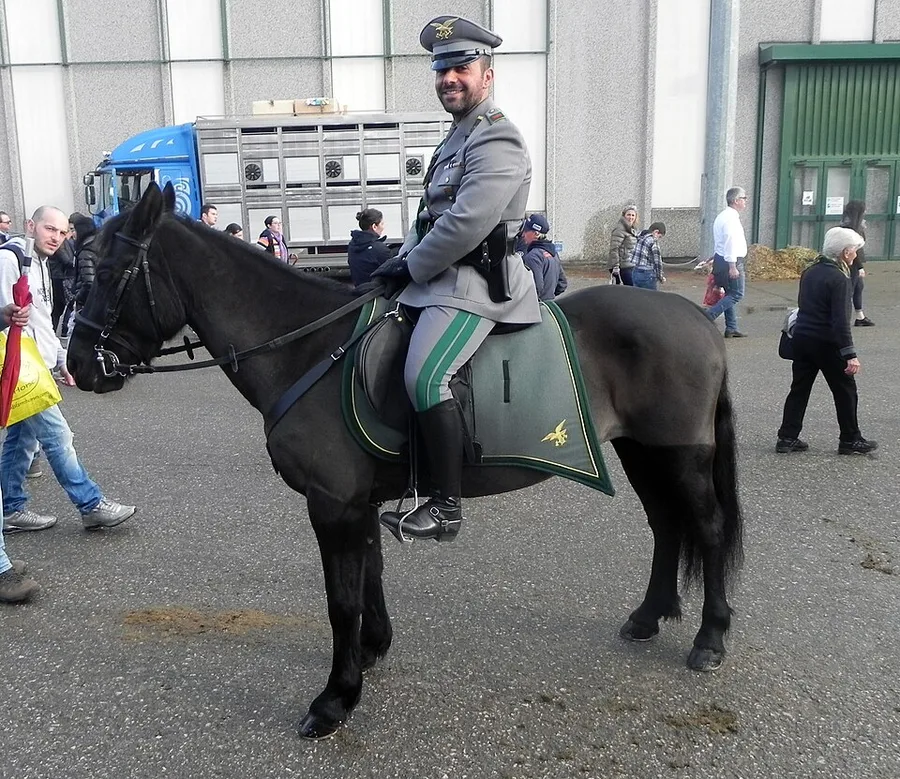
Photo: Justlettersandnumbers · CC BY-SA 3.0 · Wikimedia Commons
Horse breed
Monterufolino
The Monterufolino is a small, rare horse type associated with Italy, where local breeds were traditionally kept as working animals on farms and in mountainous terrain. Documentation on its exact origins and original purpose is limited, so owners should look to breed registries and Italian breed associations for the most accurate history.
As a smaller, hardy type, this horse is generally expected to suit calm, patient handlers and riders who value a steady, sensible partner. Its specific way of going and suitability for beginners varies with individual lines, so a hands-on assessment with an experienced trainer is worthwhile before purchase.
Day to day, a horse like this needs regular turnout, consistent handling, and company, since horses are herd animals. Routine farrier care, dental checks, and a balanced diet matched to its workload will help it stay comfortable and fit over the years.
Good for: Owners seeking a calm companion, pending individual assessment
| Exercise | about 45 min a day |
| Shedding | moderate |
| Origin | Italy |
Get a full pre-purchase exam and ask a trainer to assess the horse under saddle before committing.
Living with a Monterufolino
Exercise
A healthy adult in regular use usually benefits from daily movement and a mix of ridden or in-hand work. Too little exercise can lead to weight gain, stiffness, and boredom-related behavior problems.
Grooming
Brush the coat regularly and keep the mane and tail free of tangles. Hooves need trimming or shoeing about every 6 to 8 weeks, and clipping depends on the climate and workload.
At home
Most horses of this size do well with daily turnout on grass or a dry lot, supplemented by shelter from wind, rain, and heat. Hardiness and feed requirements depend on the individual, so ask the breeder whether the animal tends to be an easy or hard keeper. Keep it with at least one companion where possible, as it is not advisable to keep horses alone.
Training
Horses of this kind typically respond best to consistent, patient training built on reward and clear routine. Their suitability for trail, dressage, jumping, western, or driving work should be confirmed with the individual horse. A green horse should be expected to need several months of foundation work before it is ready for regular riding.
Health
Specific conditions associated with this breed are not well documented in sources available to us, so we cannot list them with confidence. Ask your veterinarian and the breed association about any known hereditary issues before buying.
- Laminitis
- Colic
- Dental problems
Known tendencies, not a diagnosis: ask your vet about this breed.
The numbers for a Monterufolino
Forage and water, adult
16–26 lb of hay a day
Forage at 1.5–2.5% of body weight at 882–1213 lb (typical for the type), and 9–17 gallons of water, more in heat and on hay alone. Grain only for the work being done.
What a year costs
$3,050–$5,200
Hay about $1,840, plus farrier every 6–8 weeks, routine vet, dental and dewormer. Board, lessons and showing on top; US averages.
Weather
Watch above 80°F, stop at 90°F
Blanket or shelter below 10°F. Horses mind heat more than cold: with shelter and water most are fine to about 10°F unclipped, and above a heat index of 150 (air °F + humidity %) ride early or not at all.
Where a Monterufolino is comfortable
Easy most of the year: Alabama, Alaska, Arkansas, California, Colorado, Connecticut, Delaware, Florida, Georgia, Hawaii, Idaho, Illinois, Indiana, Iowa, Kansas, Kentucky, Louisiana, Maine, Maryland, Massachusetts, Michigan, Minnesota, Mississippi, Missouri, Montana, Nebraska, New Hampshire, New Jersey, New Mexico, New York, North Carolina, Ohio, Oregon, Pennsylvania, Rhode Island, South Carolina, South Dakota, Tennessee, Vermont, Virginia, Washington, Washington, DC, West Virginia, Wisconsin, Wyoming.
Summer needs care (early rides, shade, fans): Arizona, Nevada, Oklahoma, Texas, Utah.
Winter needs care (blanket, shelter, water that is not frozen): North Dakota.
From typical July highs and January lows by state and this breed's heat and cold limits. Shade, shelter and water change everything; this is about turnout and work.
Right now
Latest feed recalls
Multiple Brand Names: Chicken Feed, Swine Feed, Cattle Feed, Horse Feed
ADM Animal Nutrition · Apr 1 · Specific lots may contain elevated levels of calcium, phosphorus, magnesium, sodium and/or chloride and may harm chickens, swine, beef cattle and equine.
Recent research
Y-Chromosome Haplotype Report among Eight Italian Horse Breeds
Genes · 2023
An Overview of Ten Italian Horse Breeds through Mitochondrial DNA
PloS one · 2016
Veterinary papers that mention the breed, from PubMed.
Rescue a Monterufolino
Shelters and breed rescues list Monterufolinos and Monterufolino mixes every week. Search adoptable Monterufolinos on Petfinder → New to the breed? The first-horse kit →
Is a Monterufolino right for you?
- Yes if you can commit to daily turnout and routine care
- Yes if you want a patient horse for steady, low-pressure riding
- Yes if you can get a pre-purchase exam from a trusted vet
- Think twice if you need a horse trained for advanced competition now
- Think twice if you cannot keep it with a companion
Questions owners ask
Is the Monterufolino good for beginners?
It can be, but suitability depends on the individual horse. Have an experienced trainer assess its temperament and handling before you buy.
How much does a Monterufolino cost?
Prices vary widely by bloodline, training, and location. Contact breeders and registries directly for current figures.
How tall is a Monterufolino?
Reliable height figures are not available to us, so check with the breed association for accurate measurements.
How long does a Monterufolino live?
Life span depends on care, diet, and genetics. Your veterinarian can give guidance based on the individual horse's health.
What is a Monterufolino used for?
Uses vary by individual and region. Ask the breeder what the horse has been trained for and whether it suits your goals.
Written by Hoofdeck editors · updated Nov 13, 2026 · facts from Wikidata and Wikimedia Commons; health notes are general veterinary guidance, not a diagnosis.