
Horse breeds / Czech warm blood
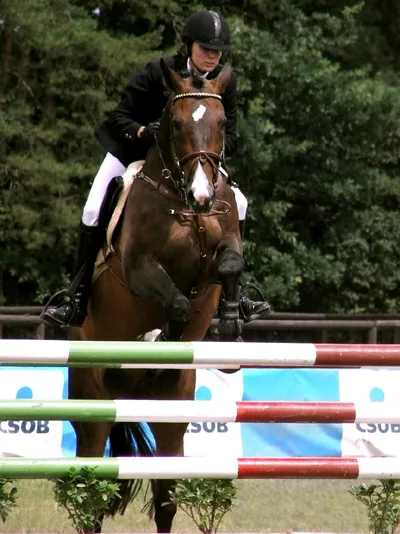
Photo: Keep-Smiling at Czech Wikipedia · CC BY-SA 3.0 · Wikimedia Commons
Horse breed
Czech warm blood
The Czech Warmblood developed in the Czech Republic, formerly part of Czechoslovakia, from local mares crossed with stallions of established European warmblood and Thoroughbred-influenced lines. The aim was a versatile sport and riding horse for military, agricultural, and equestrian use, with an emphasis on athleticism, jumping ability, and a sound, athletic build. Breeding has been managed through a studbook that selects for performance and conformation.
When the breed is ridden, owners usually describe a willing, bold horse with good scope over fences and a forward, balanced stride. Temperament tends to be cooperative, with enough sensitivity to respond well to clear, consistent aids. Experienced amateurs and competitors are generally the best match; a green rider can manage one with a knowledgeable trainer, but the horse rewards a rider who can keep up with its energy.
Day to day, these horses need regular turnout, steady ridden work, and a stable routine. They do best when they have company and a predictable schedule, and they need enough mental engagement to stay content. Attention to hooves, feeding according to workload, and routine veterinary care keep them in good form.
Good for: Experienced riders, sport and competition
| Size | large |
| Weight | 1102–1323 lb |
| Height | 63–67 in |
| Life span | 25–30 years |
| Exercise | about 60 min a day |
| Shedding | moderate |
| Origin | Czech Republic |
These horses have energy and sensitivity, so a first-time owner should plan on working with an experienced instructor or trainer.
Living with a Czech warm blood
Exercise
Most healthy adults need five or six days of ridden or in-hand work a week, plus daily turnout. Too little work often leads to excess energy, tension, and behavioral problems under saddle.
Grooming
Their short to medium coat needs regular brushing, and they shed more heavily in spring. Manes and tails are typically left natural or trimmed for tidiness. Hooves require regular trimming or shoeing every four to six weeks, and clipping may be needed for horses in regular winter work.
At home
Czech Warmbloods do well with daily turnout in a paddock or field and are generally hardy in a range of climates. They adapt to stabling for part of the day when managed well. They are happiest with equine companionship and can struggle if kept alone for long periods. Feed needs vary with workload; many are moderate keepers, but hard-working horses will need more calories and careful forage management.
Training
Czech Warmbloods learn quickly and respond well to structured schooling. They are typically suited to dressage, show jumping, eventing, and general pleasure riding. A green horse of this breed often shows a strong, forward nature and needs clear, patient instruction to develop balance and rhythm. Expect steady progress with consistent work and an experienced trainer guiding the process.
Health
Like many warmblood breeds, they are generally sound, but owners should ask a veterinarian about joint health, particularly for horses in heavy jumping or dressage work. Metabolic concerns and laminitis can occur in some horses depending on diet and weight. Discuss breed-specific screening and preventive care with your
- Joint problems
- Laminitis
- Metabolic issues
Known tendencies, not a diagnosis: ask your vet about this breed.
The numbers for a Czech warm blood
Forage and water, adult
18–30 lb of hay a day
Forage at 1.5–2.5% of body weight at 1102–1323 lb, and 11–19 gallons of water, more in heat and on hay alone. Grain only for the work being done.
What a year costs
$3,300–$5,550
Hay about $2,102, plus farrier every 6–8 weeks, routine vet, dental and dewormer. Board, lessons and showing on top; US averages.
Weather
Watch above 80°F, stop at 90°F
Blanket or shelter below 10°F. Horses mind heat more than cold: with shelter and water most are fine to about 10°F unclipped, and above a heat index of 150 (air °F + humidity %) ride early or not at all.
Where a Czech warm blood is comfortable
Easy most of the year: Alabama, Alaska, Arkansas, California, Colorado, Connecticut, Delaware, Florida, Georgia, Hawaii, Idaho, Illinois, Indiana, Iowa, Kansas, Kentucky, Louisiana, Maine, Maryland, Massachusetts, Michigan, Minnesota, Mississippi, Missouri, Montana, Nebraska, New Hampshire, New Jersey, New Mexico, New York, North Carolina, Ohio, Oregon, Pennsylvania, Rhode Island, South Carolina, South Dakota, Tennessee, Vermont, Virginia, Washington, Washington, DC, West Virginia, Wisconsin, Wyoming.
Summer needs care (early rides, shade, fans): Arizona, Nevada, Oklahoma, Texas, Utah.
Winter needs care (blanket, shelter, water that is not frozen): North Dakota.
From typical July highs and January lows by state and this breed's heat and cold limits. Shade, shelter and water change everything; this is about turnout and work.
Right now
Latest feed recalls
Multiple Brand Names: Chicken Feed, Swine Feed, Cattle Feed, Horse Feed
ADM Animal Nutrition · Apr 1 · Specific lots may contain elevated levels of calcium, phosphorus, magnesium, sodium and/or chloride and may harm chickens, swine, beef cattle and equine.
Rescue a Czech warm blood
Shelters and breed rescues list Czech warm bloods and Czech warm blood mixes every week. Search adoptable Czech warm bloods on Petfinder → New to the breed? The first-horse kit →
Is a Czech warm blood right for you?
- Yes if you want a athletic jumper or dressage partner
- Yes if you ride regularly and can commit to structured training
- Yes if you have an experienced trainer or coach
- Think twice if you are a nervous or first-time rider
- Think twice if you can only ride once or twice a week
Questions owners ask
Is the Czech Warmblood good for beginners?
Generally not for a first horse. They suit experienced riders or beginners working closely with a knowledgeable trainer who can guide training and handling.
How tall is a Czech Warmblood?
Adults typically stand about 160 to 170 centimetres at the withers, roughly 16 to 16.3 hands.
How long do Czech Warmbloods live?
With good care, they often live into their mid to late twenties, similar to other warmblood breeds.
What are Czech Warmbloods used for?
They are used mainly for dressage, show jumping, eventing, and pleasure riding, valued for athleticism and versatility.
Are Czech Warmbloods easy keepers?
Most are moderate keepers. Their feed needs depend on workload and body condition, so monitor weight and adjust rations accordingly.
Similar breeds
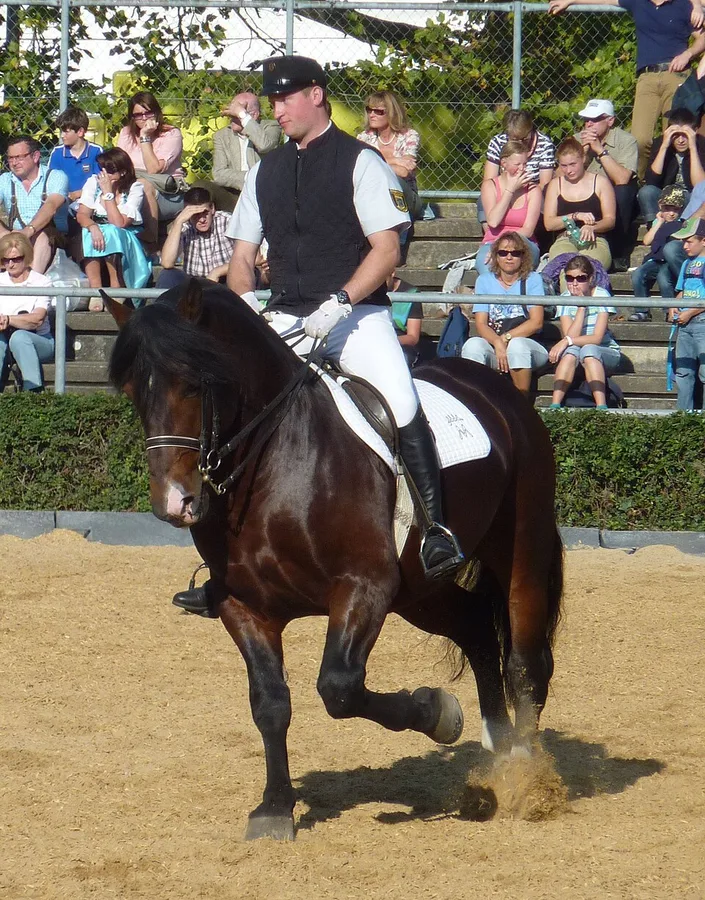
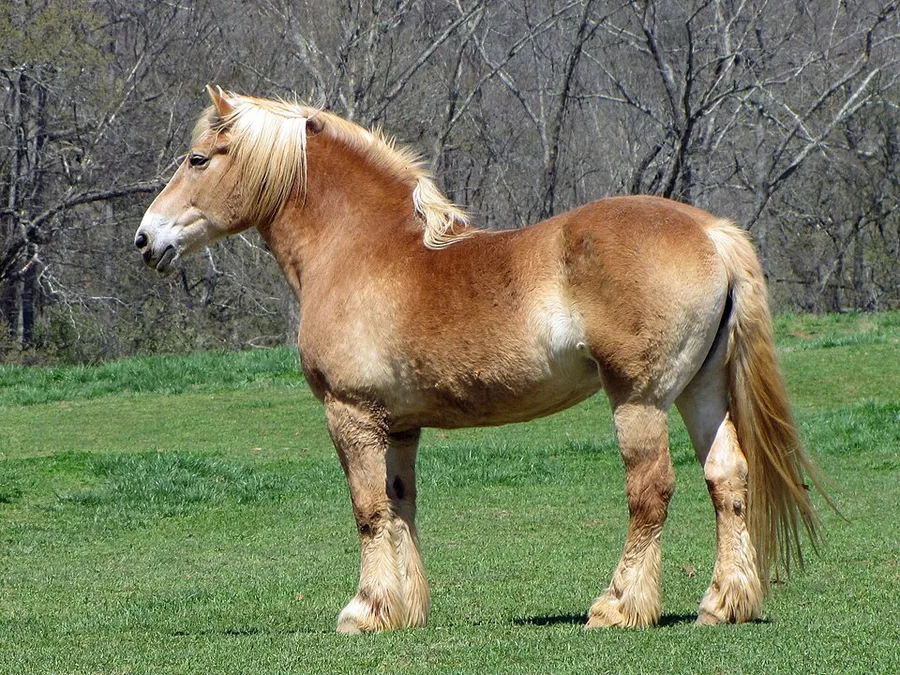
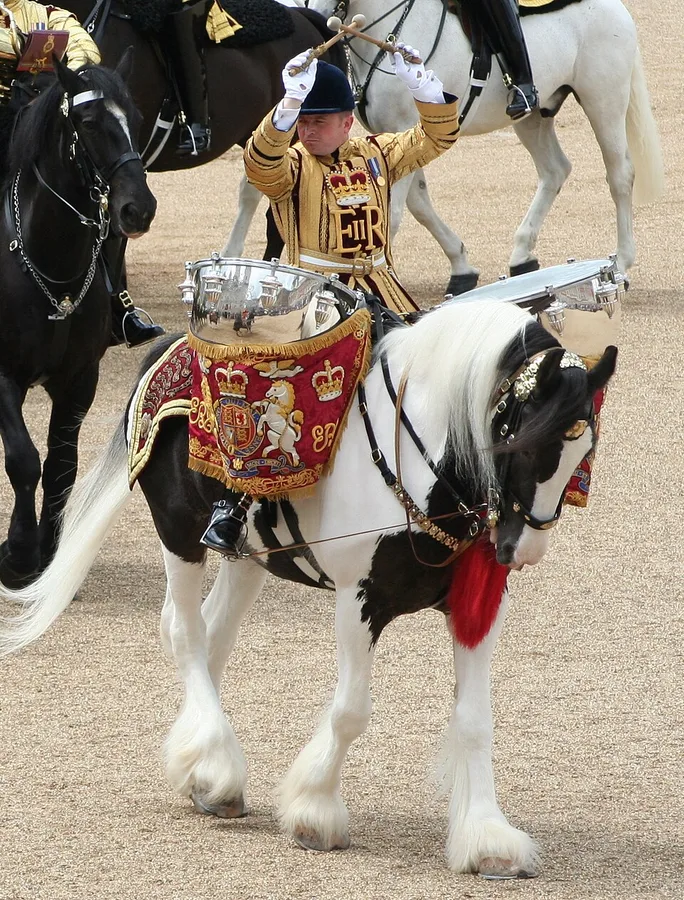
Written by Hoofdeck editors · updated Nov 13, 2026 · facts from Wikidata and Wikimedia Commons; health notes are general veterinary guidance, not a diagnosis.